MowScoutYard intelligence

Pillar guide

Robot lawn mowers are finally useful, but only when the navigation fits.

Open sky, tree cover, slopes, zones, grass type, and obstacles decide whether RTK, LiDAR, vision, hybrid, or boundary wire makes sense.

Find Your Fit

By MowScout EditorialUpdated 2026-06-30How we scoreHow we test

Start here

The short version

A good robot lawn mower is not really a mower purchase. It is a navigation purchase, a terrain purchase, and an ownership-system purchase that happens to cut grass. The best models now handle everyday US lawns without buried wire, but the wrong navigation type can still turn a premium mower into an expensive rescue project. This robot lawn mower guide is the hub for choosing the right category before you compare brands.

MowScout currently tracks 21 verified mower records, 17 on-disk product images,32 source links, prices from $699 to $3,499, area ratings up to 1.5 acres, and slope ratings up to 84%. Last verified product records are stored per model, so rankings stay tied to inspected specs instead of generic brand claims.

If you already know your acreage, steepest normal route, tree cover, obstacle level, zones, and budget, skip straight to the MowScout configurator. If you are still learning the category, read the decision framework below, then compare real models in the database. The goal is not to crown one universal best mower. The goal is to avoid recommending an RTK mower under dense canopy, a budget mower on a steep hill, or an estate mower for a tiny flat yard.

Navigation is the buying decision

Start with navigation because it determines whether the mower knows where it is. Coverage, price, and app features matter only after the mower can reliably map and return through your actual yard.

NavigationBest fitWatch out for
RTK / NetRTKOpen-sky lawns, large lots, straight runs, and buyers who want lower cost per acre.Tree canopy, tall buildings, antenna placement, and yards where satellite view disappears near the hardest areas.
LiDARTree cover, buildings, partial sky, and owners who want mapping that does not depend on GPS.Higher reliance on software quality, sensor visibility, and whether the mower can still understand ambiguous lawn edges.
VisionSmall to medium lawns, easy setup, no antenna, and buyers who value obstacle awareness.Tall grass, poor lighting, rain, low contrast borders, and yards where cameras cannot confidently identify grass.
HybridComplex premium yards where redundancy matters: RTK plus vision, LiDAR plus vision, or multi-sensor fusion.Higher prices, more configuration, and the need to understand which sensor handles each failure mode.
Boundary wireBudget installs, simple lawns, and owners who prefer mature reliability over wire-free setup.Wire installation time, wire breaks, layout changes, and less flexibility when beds or zones move.

Edges are still honest work

Even good edge-cutting robots can leave trimming around walls, fences, tree rings, mailbox posts, and awkward beds. The blade sits inside the wheel path for safety, so edge claims should be treated as reduced trimming, not zero trimming.

Wet grass is a traction question

Rain resistance does not guarantee clean cutting or confident climbing on damp slopes. Wet grass changes traction, clumping, sensor visibility, and soil firmness. If your yard stays wet, leave more slope headroom than the spec sheet suggests.

Pets require scheduling

Obstacle detection helps, but pet toys, hoses, and dog waste still need homeowner discipline. The better habit is to schedule mowing after a yard check and use no-go zones around dog runs, play equipment, and cluttered corners.

The yard-fit checklist

Measure mowable acreage, not lot size. Subtract the house, driveway, patio, pool, beds, woods, and hardscape. MowScout uses area headroom because a mower running at its exact published limit has less margin for spring growth, rain delays, separate zones, and the weeks when you forget to rescue it from a bad corner.

Walk the steepest normal route. A mower rated for 45% or 80% slope still needs traction when it turns, crosses damp grass, climbs compacted soil, or runs near a boundary. Drive type matters here: RWD can be fine on flat yards, but AWD, 4WD, or tracks are the safer filter for serious hills.

Count transitions. Front yards, back yards, side strips, fenced zones, gates, driveways, narrow passages, and separate docks affect ownership more than many spec sheets admit. A mower can have enough area capacity and still be wrong if it cannot reliably move between the places you need cut.

Spec examples from the current catalog

These are not sponsored placements. They are data examples from the same product records used by the configurator, model reviews, and MowScout Score.

ModelWhy it mattersPriceAreaSlopeNavigation
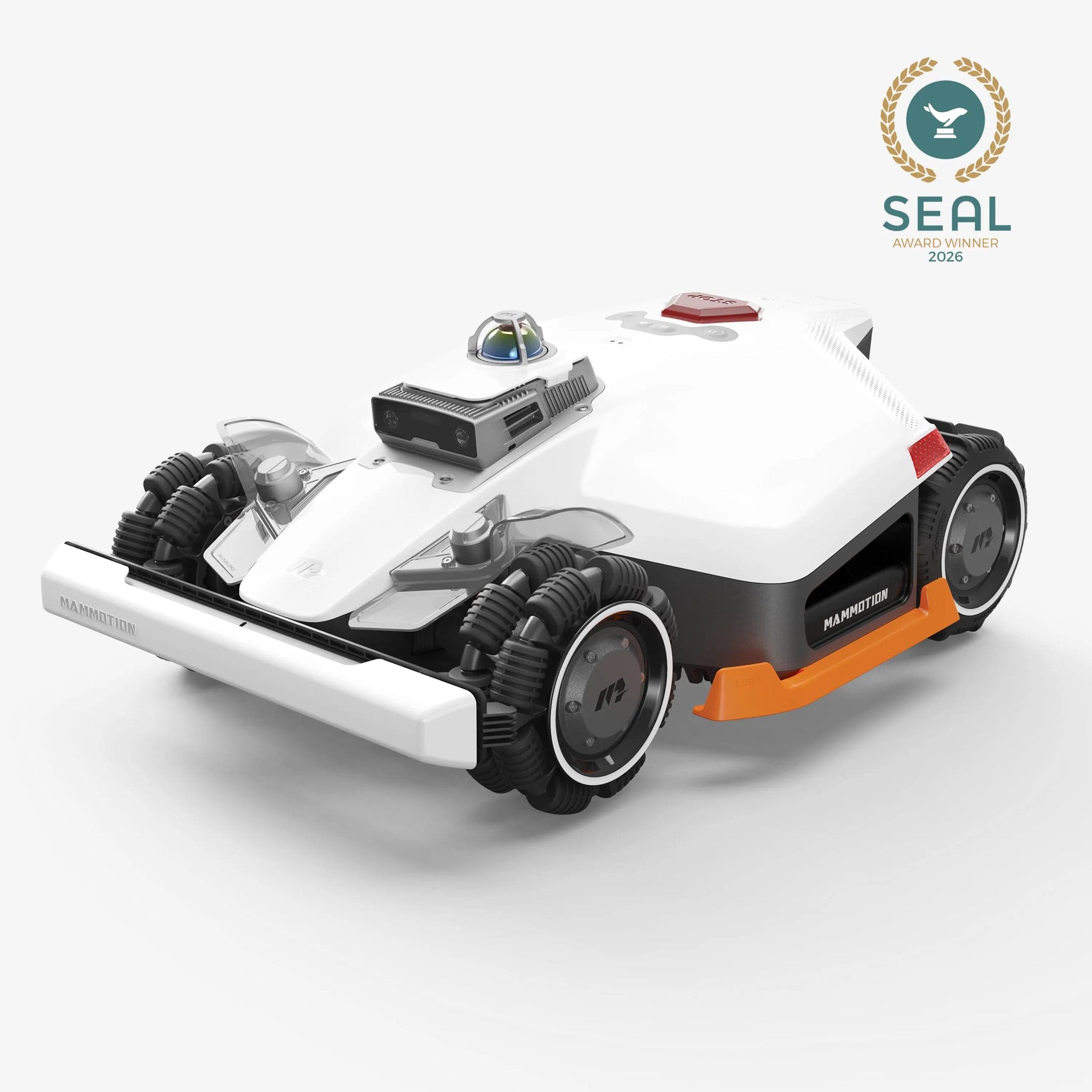
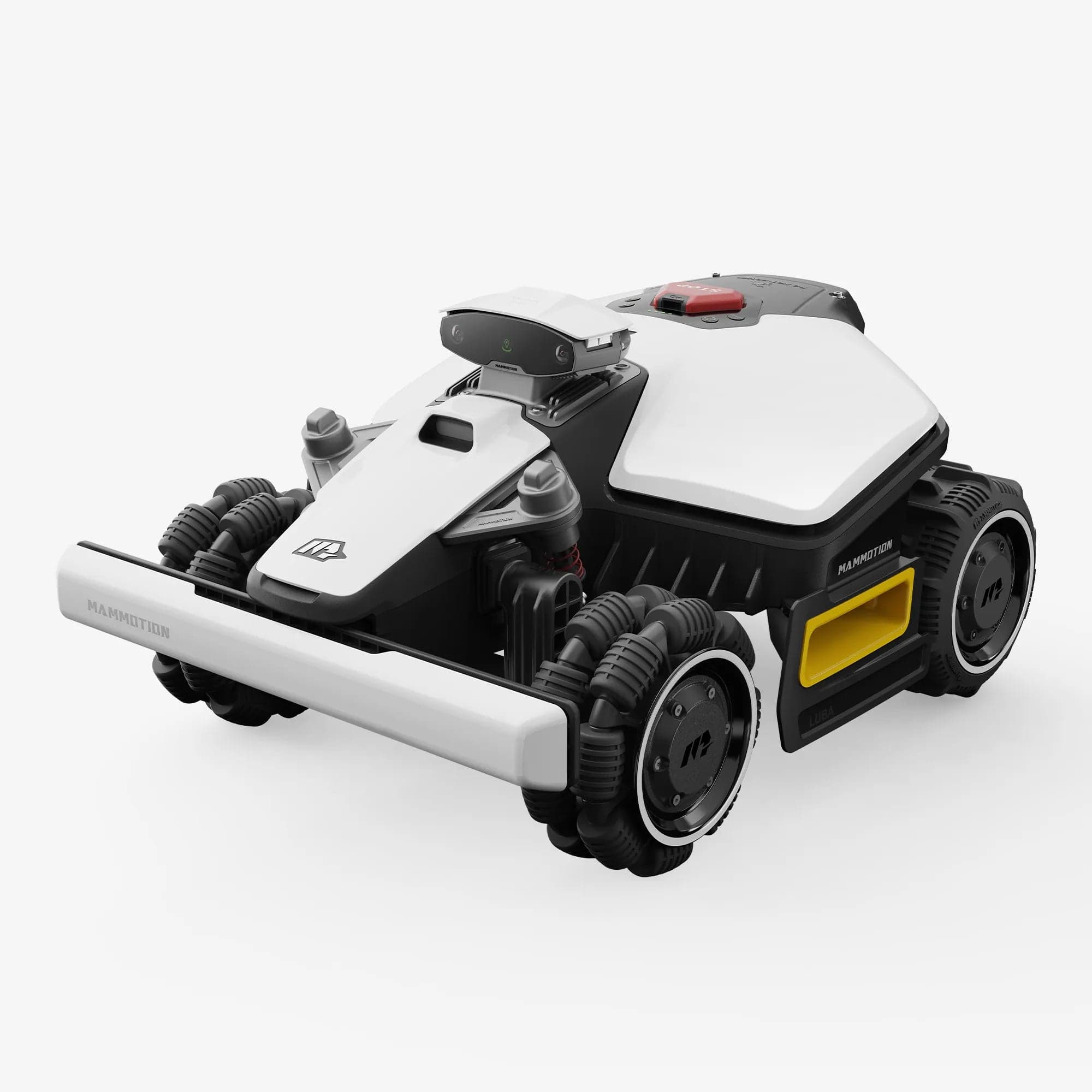
Mammotion LUBA 3 AWD 5000HTop current MowScout Score across navigation, terrain, coverage, value, cutting, setup, and support.$2,6991.25 acres80%hybrid
WORX Landroid M WR147Lowest tracked street price, useful as a budget anchor before you decide whether capability is worth more.$6990.25 acres30%wire
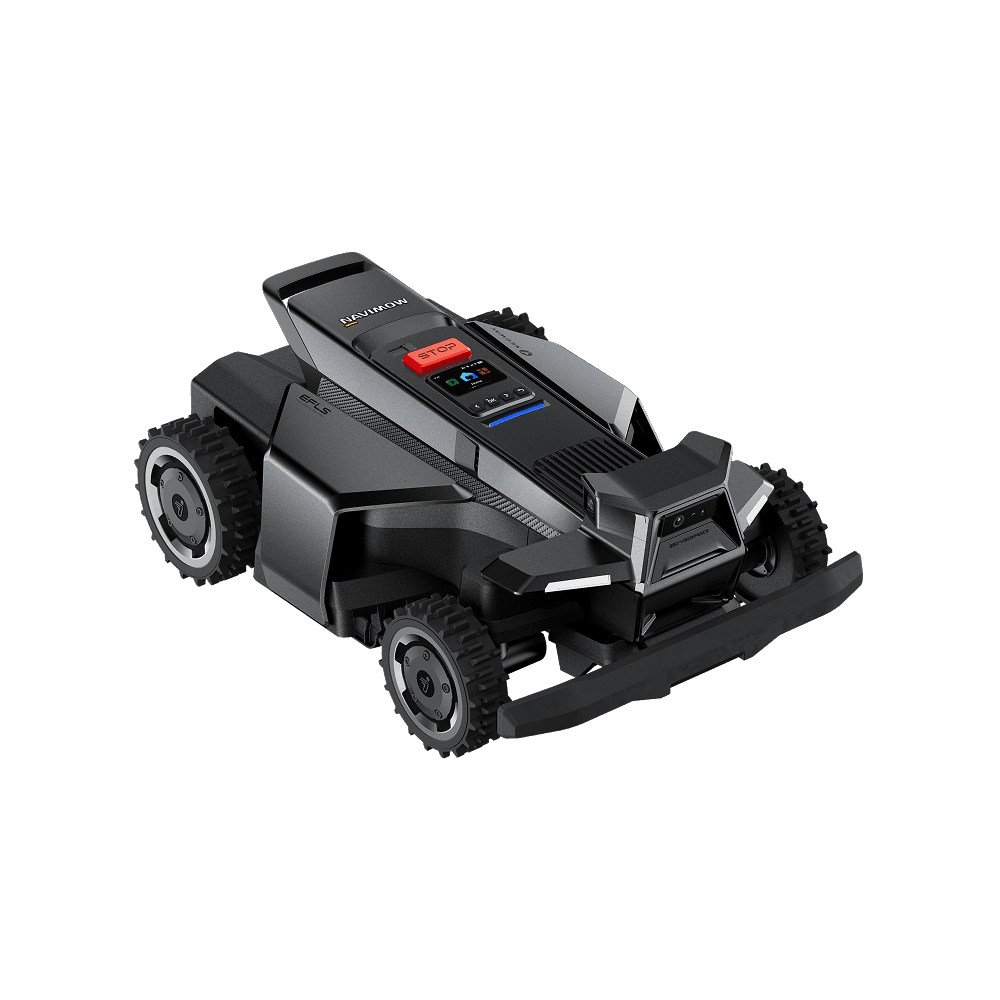
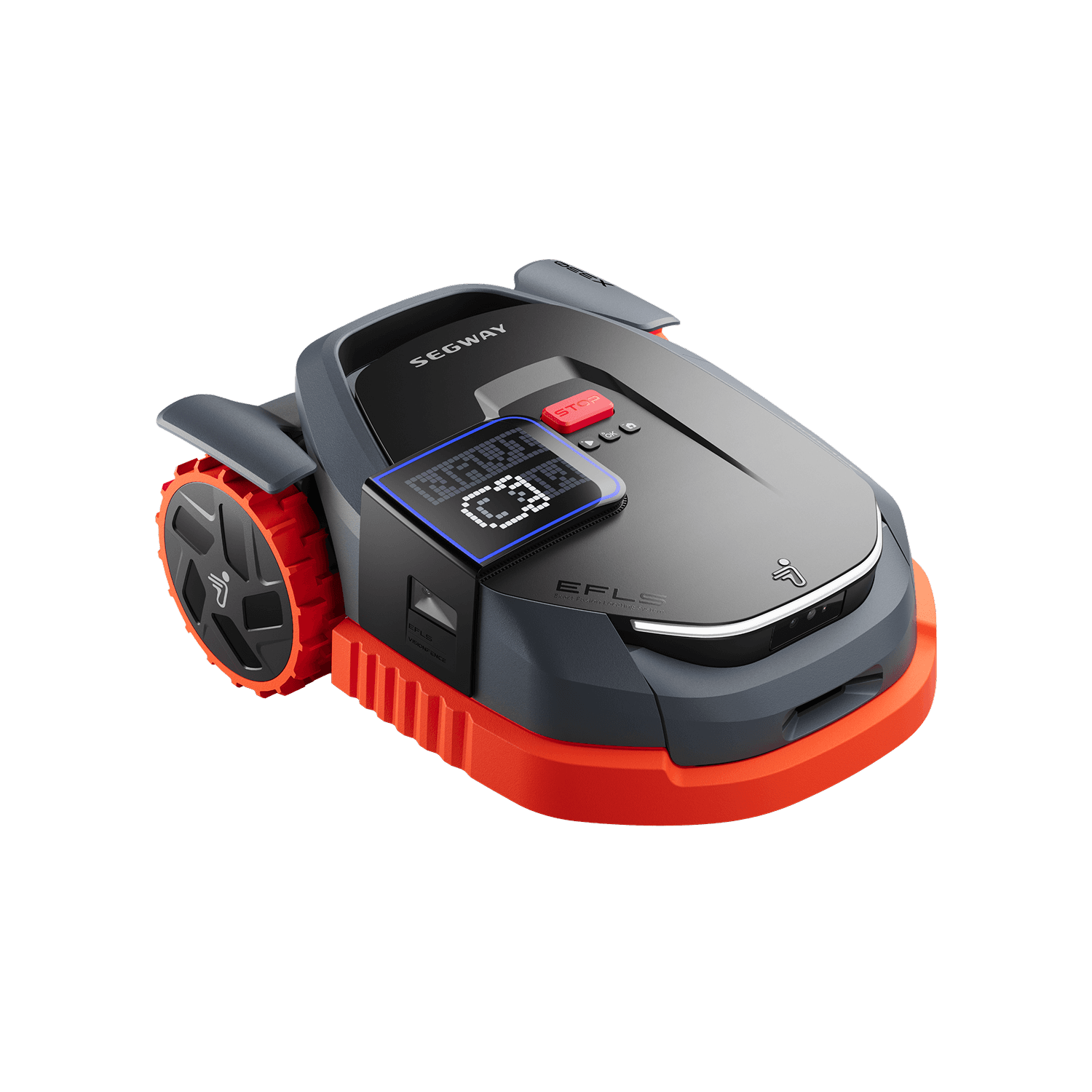
Segway Navimow X430Highest tracked slope rating, useful for understanding what serious hill capability costs.$2,4991 acre84%hybrid
Segway Navimow X450Tree-cover safer navigation type because it does not depend only on open-sky satellite view.$2,9991.5 acres84%hybrid
Mammotion LUBA 3 AWD 3000HTree-cover safer navigation type because it does not depend only on open-sky satellite view.$2,2990.75 acres80%hybrid

How to choose by yard type

For open, simple lawns, start with RTK or NetRTK because the cost per acre is often strong. Open sky lets the mower hold position, the routes are usually predictable, and a base station is less painful when the yard has clear sightlines. These buyers should still check dock placement, Wi-Fi or cellular coverage, and whether the mower can cross driveways or side-yard gates without hand carrying.

For tree-heavy lawns, prioritize LiDAR, vision, or hybrid systems before comparing price. Dense canopy is not a small detail; it is the environment where satellite-first mowers can lose confidence. The related guide to the best robot mowers under trees narrows the product database to models that should be safer around shade and structures.

For hills, slope rating is only the start. You need drive traction, weight balance, cut schedule discipline, and a route that does not force sharp turns on wet grades. Start with robot mowers for hills, then verify the steepest route yourself because a dry published number can look more confident than the messy real route behind a house.

For small yards, do not overbuy just because a flagship looks impressive. A compact mower with simpler setup can be the right answer when the grass is flat, the zones are simple, and the owner values low friction. The right premium upgrade is the one that solves a real constraint: tree cover, steep slope, multi-zone routing, high grass height, obstacle density, or meaningful acreage.

What ownership really looks like

The first week is setup, not autopilot. You choose a dock location, map boundaries, mark no-go zones, test transitions, adjust schedules, and watch where the mower hesitates. Wire-free is still dramatically easier than trenching a boundary wire, but a good owner expects one or two mapping passes before the yard settles.

The first month is tuning. You may move a dock, add a no-go zone, raise cut height during stress, change the mowing window for pets or kids, and clean up low branches, hose reels, toys, or ruts. The best long-term setup is rarely the first map. It is the map that survives weather, growth, and ordinary family use.

The first season proves the purchase. A robot mower earns its keep when it avoids weekly push mowing, keeps grass at a consistent height, and only needs occasional blade changes, cleaning, and rescue. If you still trim edges but stop losing weekend time to mowing, the system is doing its job.

Mistakes that waste money

The first mistake is buying acreage exactly at the published limit. Robot mowers are happier with headroom because they cut frequently, lose time to charging, and may skip runs for weather or obstacles. If your lawn is close to a model's ceiling, move up a class or accept that the mower may need tighter scheduling to keep up.

The second mistake is ignoring support and warranty. A robot mower combines blades, batteries, sensors, charging contacts, firmware, maps, and a mobile app. A cheap model with weak parts availability or unclear service can cost more than a better-supported model once the novelty wears off and something needs attention.

The third mistake is treating obstacle avoidance as permission to leave the yard messy. Vision and AI systems improve every year, but they do not make dog waste, extension cords, tennis balls, mulch washouts, and garden hoses irrelevant. Good automation still depends on a yard that is reasonable to automate.

The fourth mistake is clicking a retailer page before the SKU is verified. Robot mower product families can have similar names, different acreage ratings, different included antennas, and different accessory bundles. Confirm the model number, included dock or antenna, warranty path, return window, and current price before you treat any deal as real.
Recommended research path

Step one: read the navigation framework here, then open one specific guide tied to your hardest constraint. That might be slopes, trees, rain, theft, pets, edges, or five-year cost. A broad buyer guide gives context, but a constraint guide keeps the final shortlist honest.

Step two: run the configurator with conservative inputs. Round acreage up, round slope up, and be honest about tree cover and obstacles. A model rejected by the configurator can still be interesting, but it should not get the affiliate click for a yard it does not fit.

Step three: open the top model reviews and compare the same rows: MowScout Score, street price, max area, daily coverage, slope, navigation, drive, cut-height range, multi-zone support, warranty, and source freshness. That repeated process is how you separate a good product from a good product for your lawn.

Mower database

Filter by yard constraints

21 matches

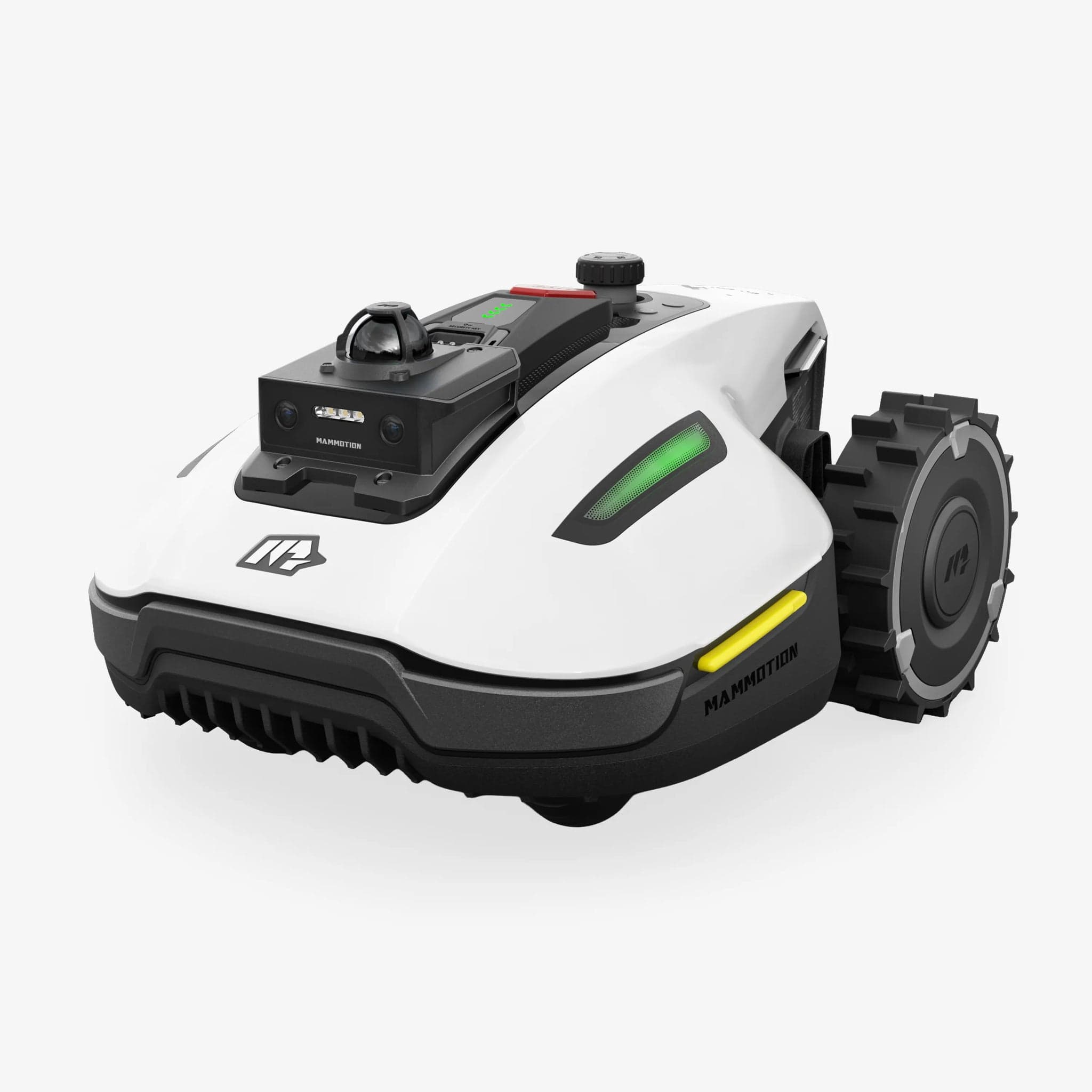
Mammotion LUBA 3 AWD 5000H

Mammotion

LUBA 3 AWD 5000H

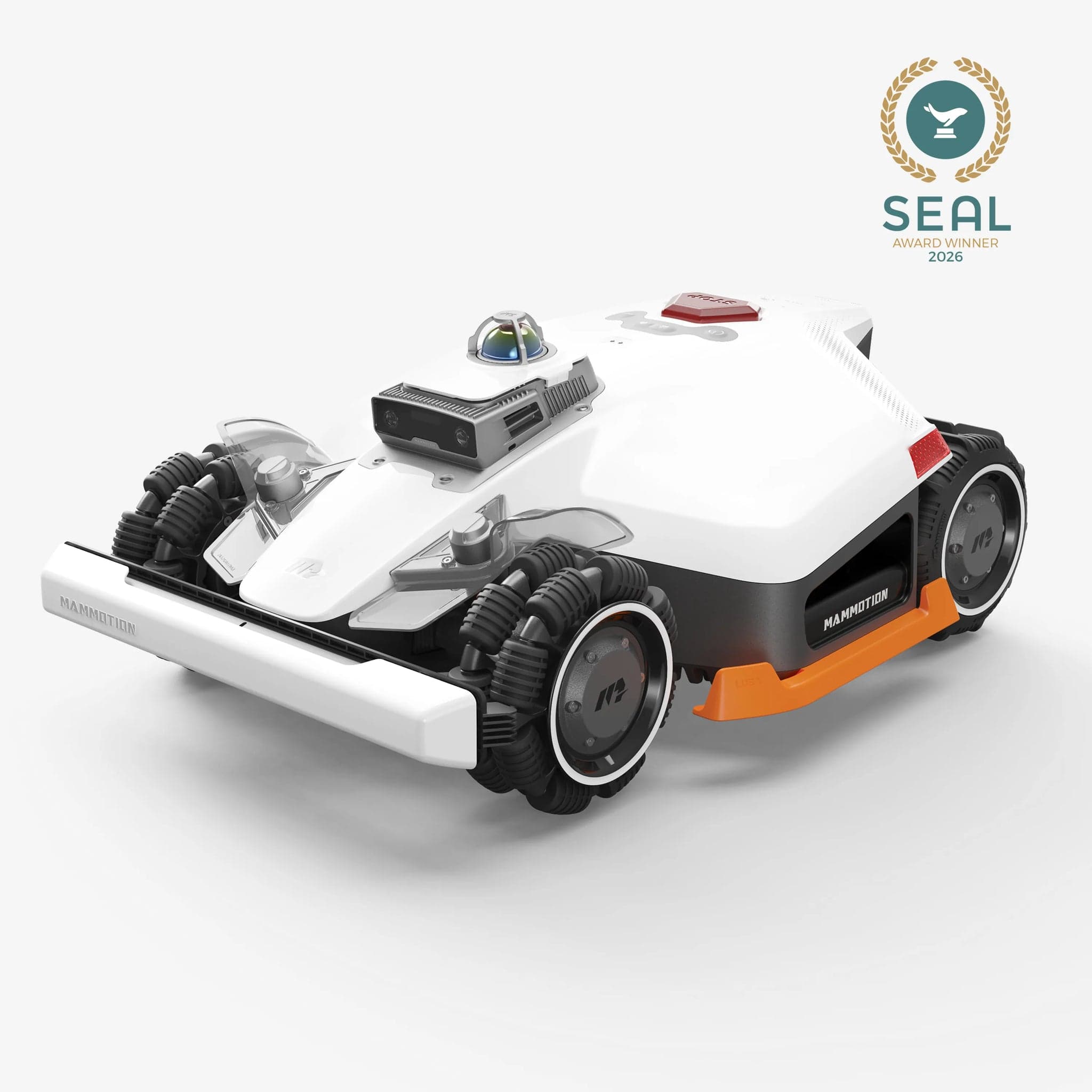
The 1.25-acre version stretches the same hybrid AWD platform into true large-lot territory.

Score97/100
$2,6991.25 acres80% slope
HYBRIDAWD
Review
Segway Navimow X450

Segway

Navimow X450

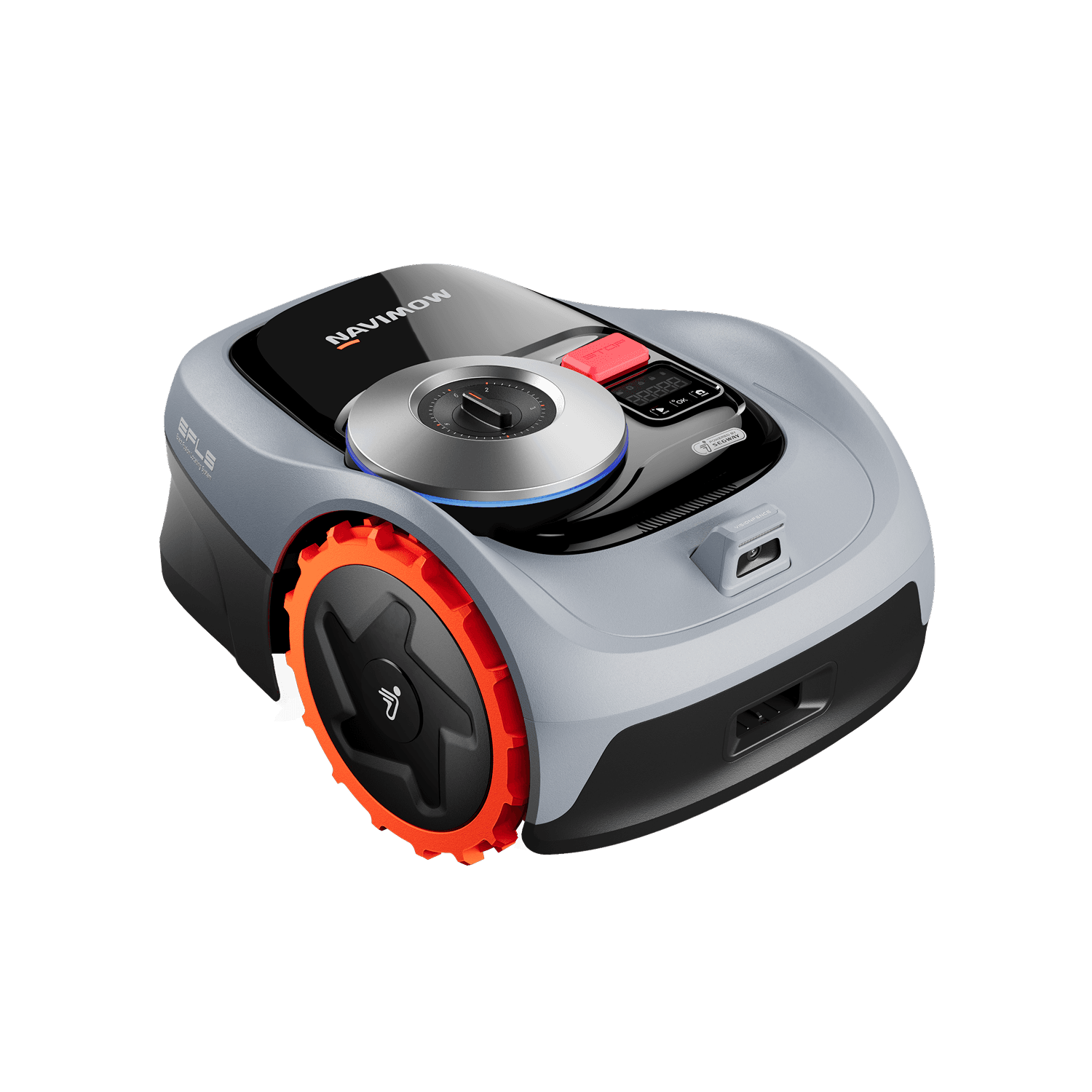
The largest X4 Navimow adds 1.5-acre capacity to the same antenna-free hybrid navigation, 17-inch deck, 120 zones, and AI vision stack.

Score92/100
$2,9991.5 acres84% slope
HYBRIDAWD
Review
Mammotion LUBA 3 AWD 3000H

Mammotion

LUBA 3 AWD 3000H

Big slope rating, hybrid navigation, and 50-zone management make it the early benchmark for demanding yards.

Score91/100
$2,2990.75 acres80% slope
HYBRIDAWD
Review
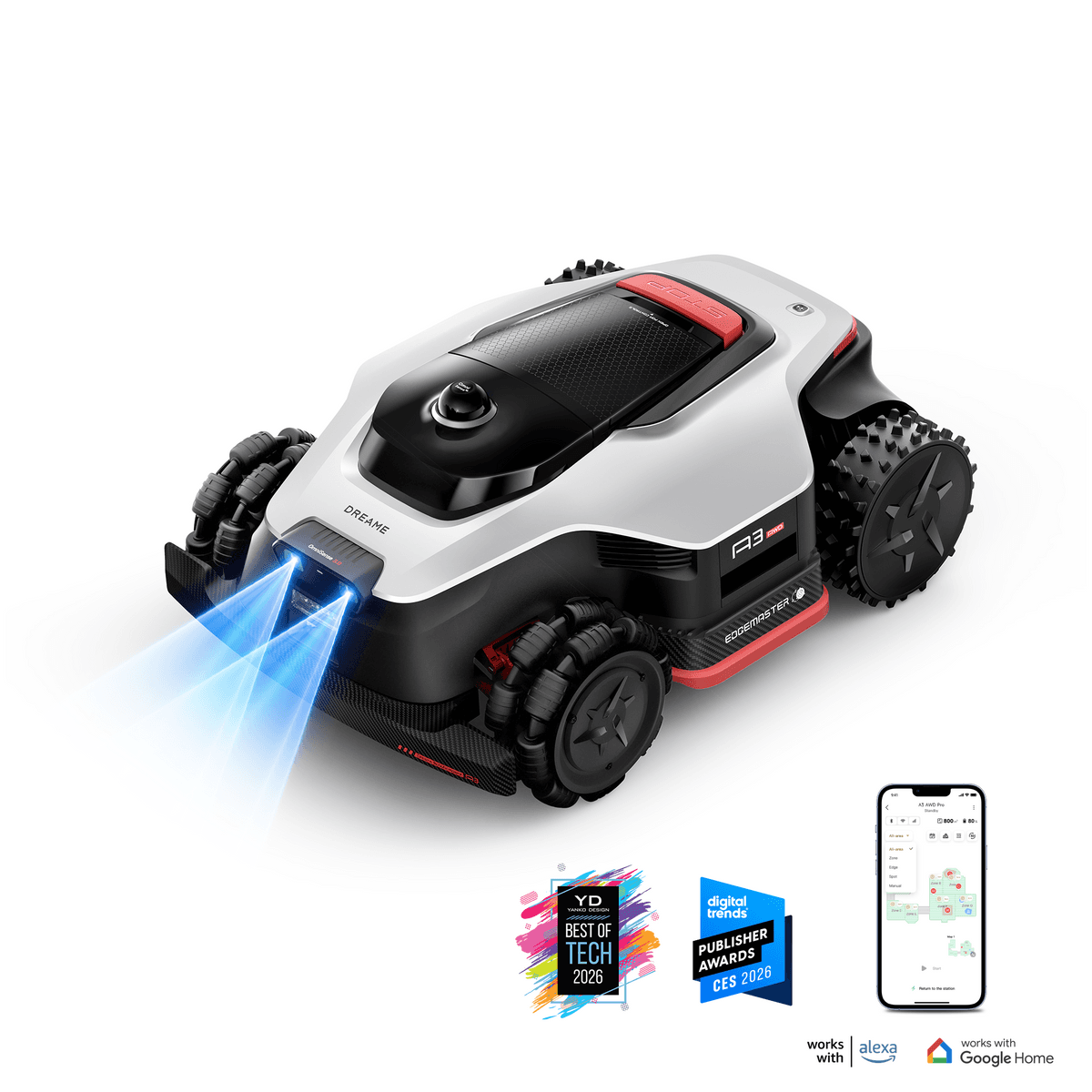
Dreame A3 AWD Pro 3500

Dreame

A3 AWD Pro 3500

A wide 15.8-inch cutting deck, no-RTK LiDAR approach, and 80% slope claim target premium complex yards.

Score90/100
$2,9990.87 acres80% slope
LIDAR4WD
Review
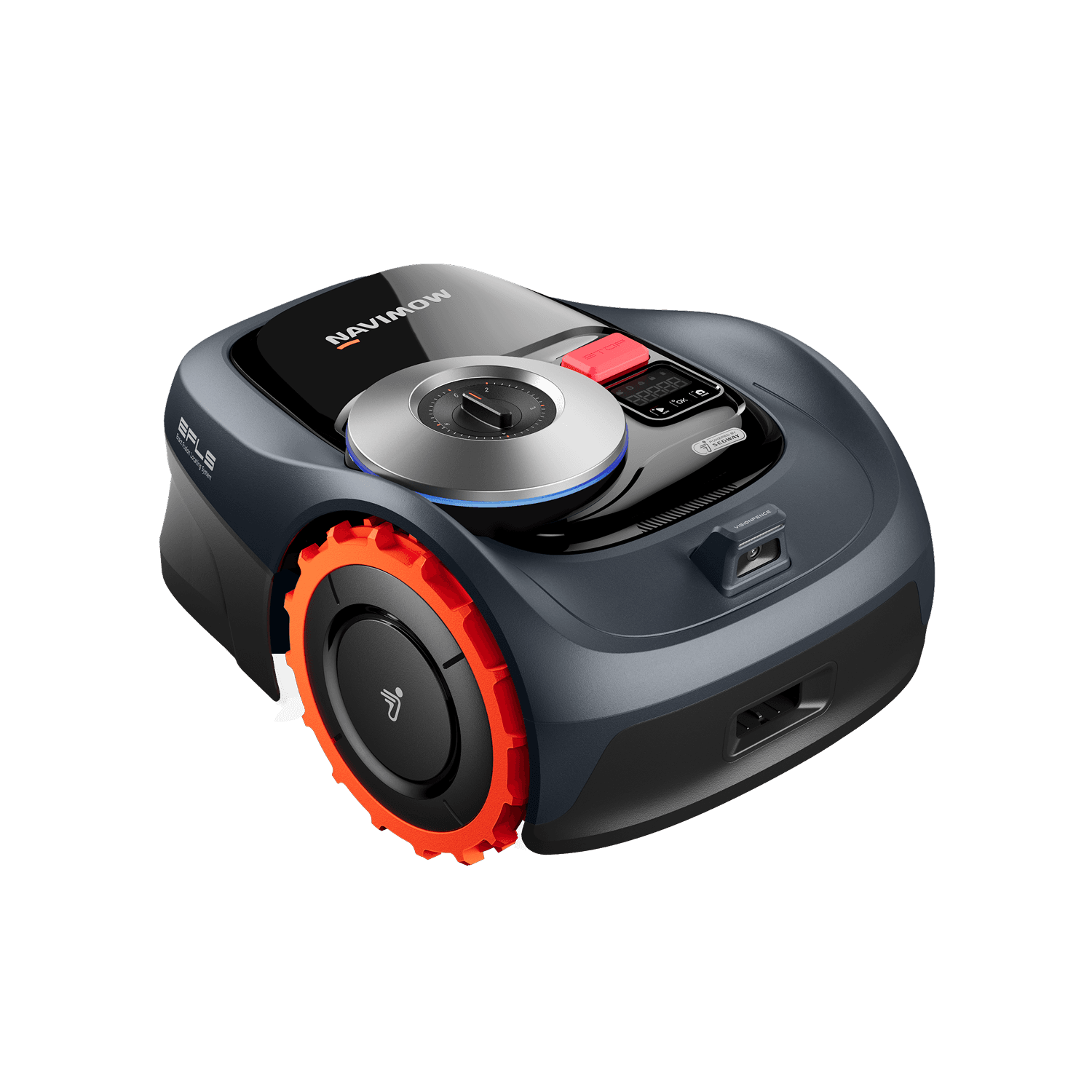
Segway Navimow X430

Segway

Navimow X430

The X4 platform brings antenna-free hybrid NetRTK plus vision, a 17-inch dual deck, 120 zones, and a one-acre rating for less than the X450.

Score90/100
$2,4991 acre84% slope
HYBRIDAWD
Review
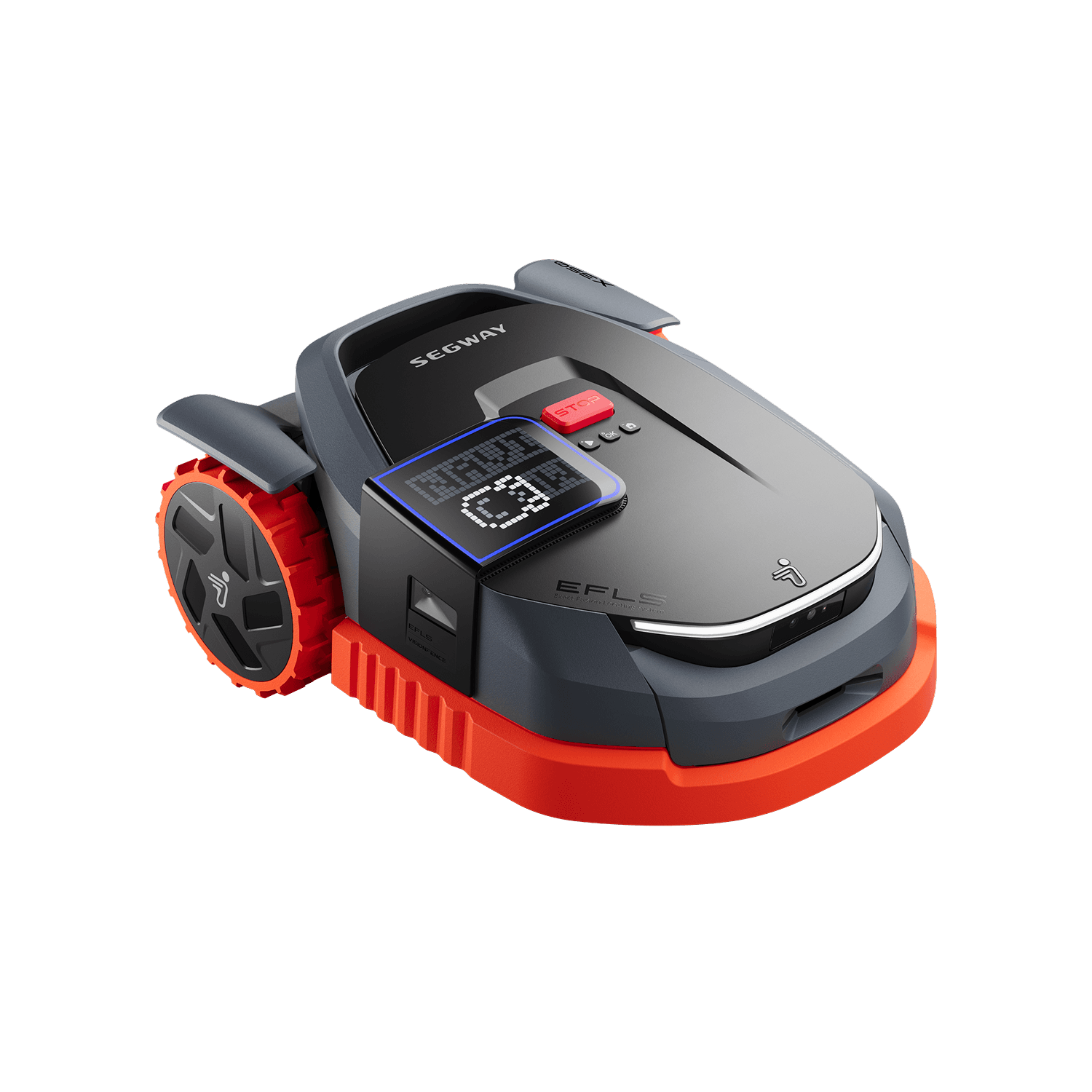
Segway Navimow X350

Segway

Navimow X350

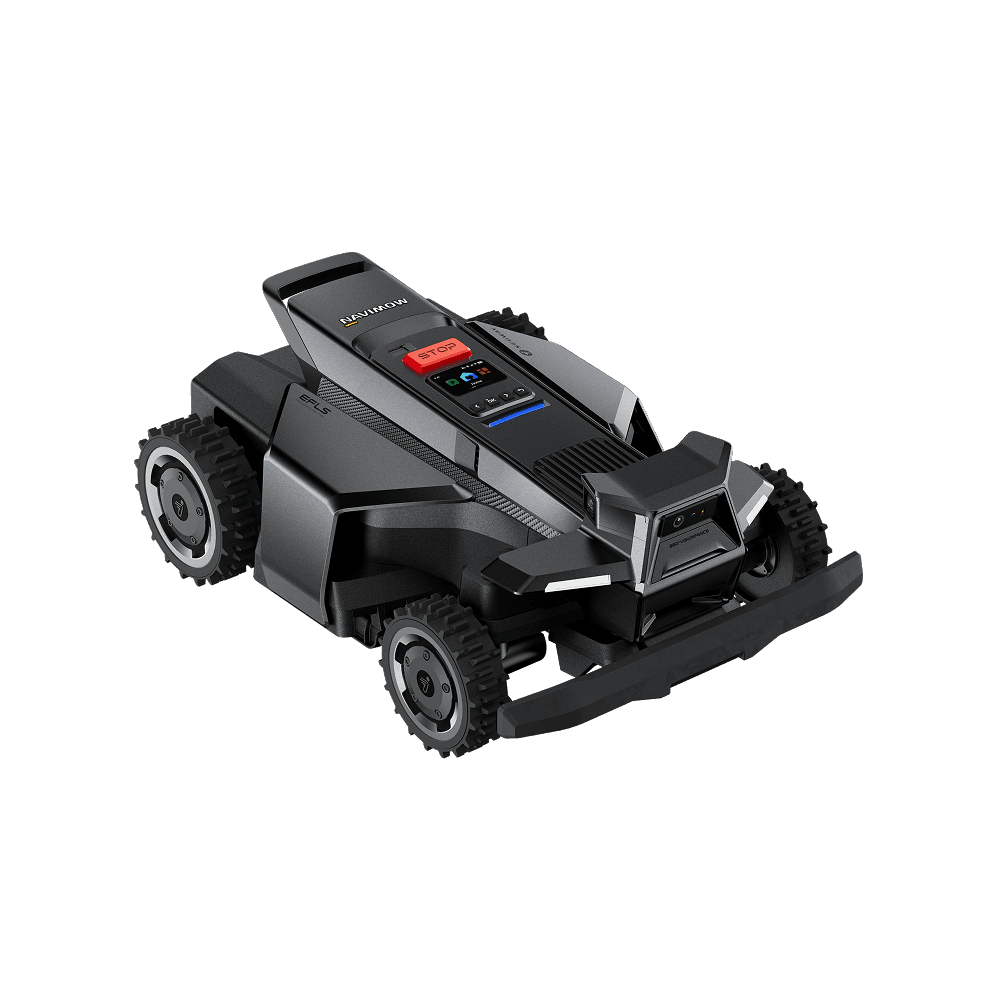
Covers up to 1.5 acres quickly and quietly (~60 dB) with AWD traction and night-capable vision.

Score85/100
$2,7991.5 acres50% slope
HYBRIDAWD
Review
Mammotion LUBA mini AWD 1500H

Mammotion

LUBA mini AWD 1500H

True AWD to 80% slopes with LiDAR plus dual-camera vision in a compact 0.37-acre body — steep-yard capability without a full-size LUBA.

Score83/100
$1,4990.37 acres80% slope
HYBRIDAWD
Review
Segway Navimow X330

Segway Navimow

X330

A large-lot Navimow option with AWD traction and a familiar app ecosystem for open-sky yards.

Score81/100
$2,7991 acre50% slope
HYBRIDAWD
Review
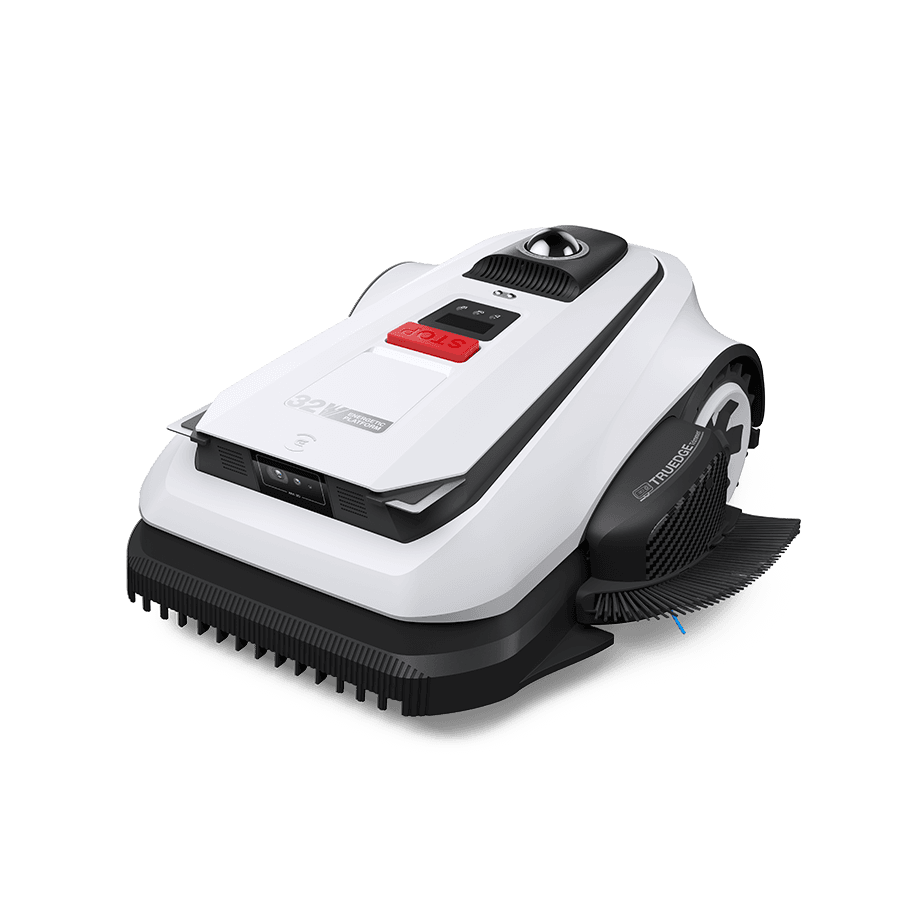
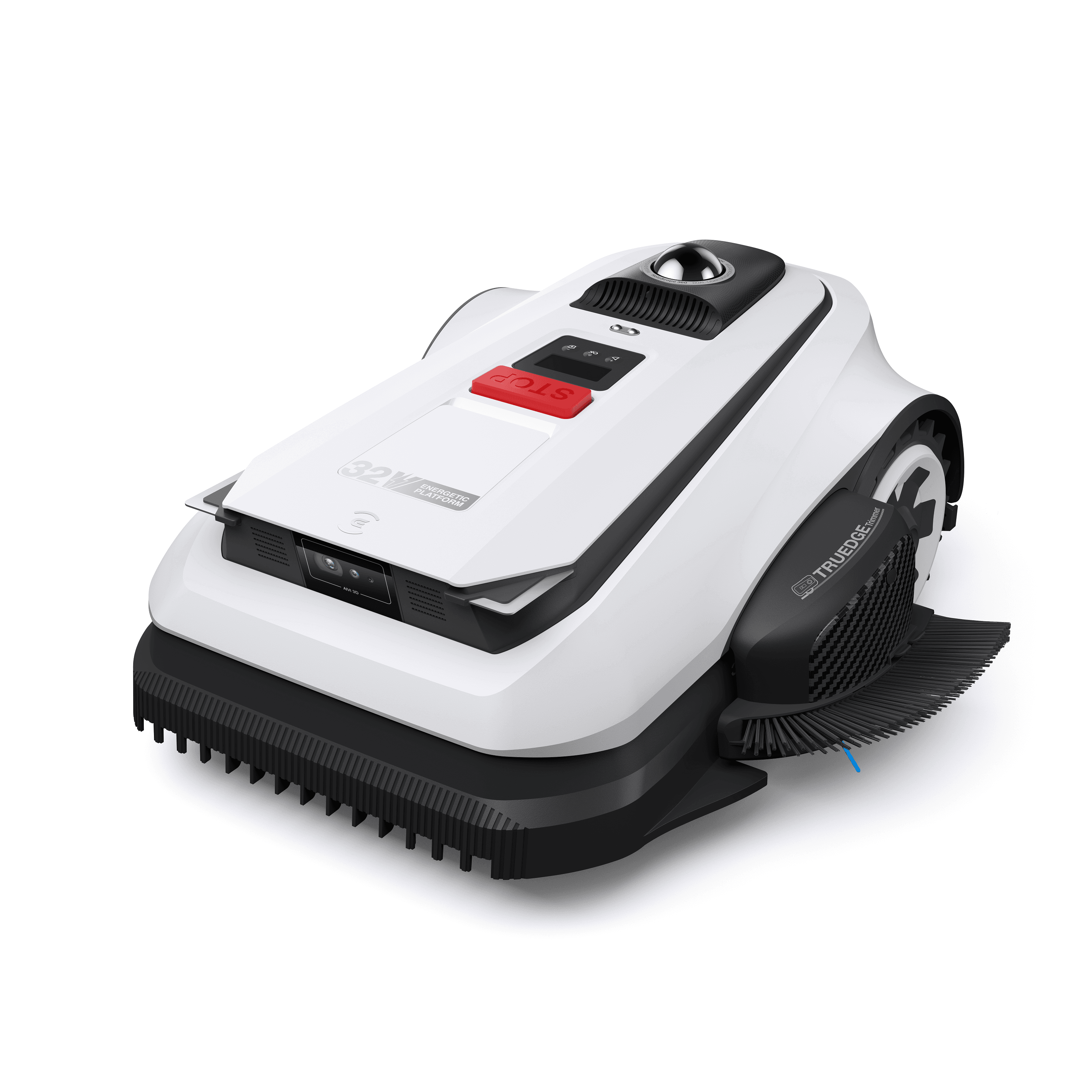
ECOVACS GOAT A3000 LiDAR PRO

ECOVACS

GOAT A3000 LiDAR PRO

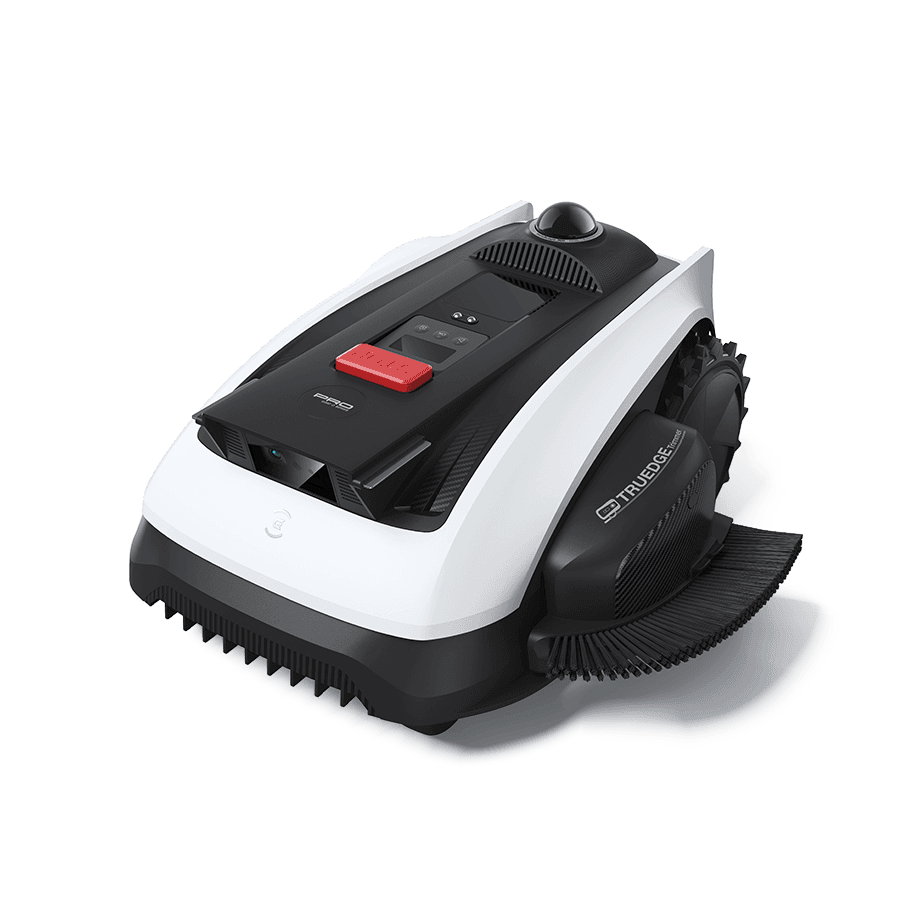
Dual-LiDAR mapping plus a built-in TruEdge trimmer delivers genuinely clean edges on up to three-quarters of an acre.

Score80/100
$2,1990.75 acres50% slope
LIDARRWD
Review
ECOVACS GOAT A2000 LiDAR PRO

ECOVACS

GOAT A2000 LiDAR PRO

Dual-LiDAR navigation with a TruEdge edge trimmer brings near-zero-edge mowing to a half-acre at a mid-tier price.

Score76/100
$1,6990.5 acres45% slope
LIDARRWD
Review
ECOVACS GOAT O1000 LiDAR PRO

ECOVACS

GOAT O1000 LiDAR PRO

LiDAR navigation, small-yard pricing, and TruEdge-style trimming make it a strong tree-cover value pick.

Score75/100
$8490.25 acres45% slope
LIDARRWD
Review
Mammotion YUKA mini 2 1000H

Mammotion

YUKA mini 2 1000H

360° LiDAR plus AI vision, DropMow clipping collection, and a light 23 lb body make it an easy compact-yard pick.

Score73/100
$9990.25 acres45% slope
HYBRIDRWD
Review
eufy Robot Lawn Mower E18

eufy

Robot Lawn Mower E18

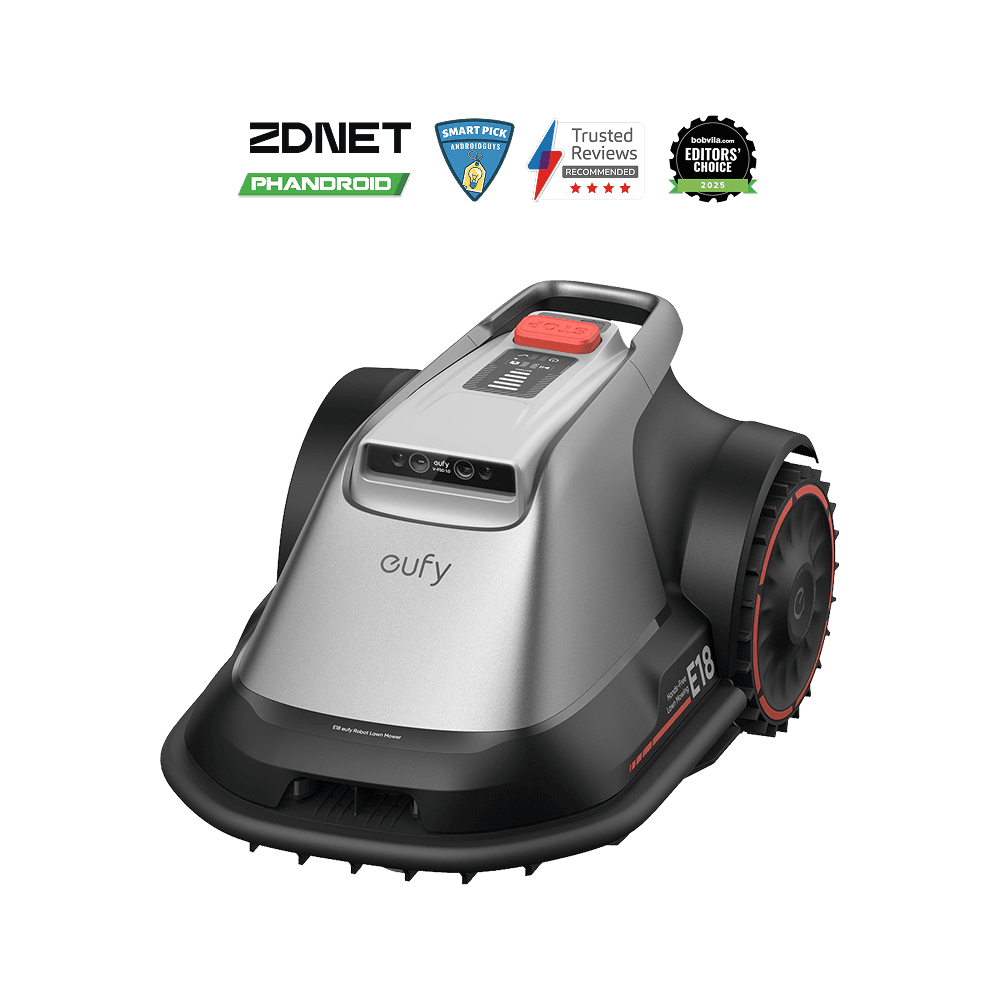
Pure vision setup avoids wires, RTK antennas, and satellite signal failures for simple small lawns.

Score68/100
$1,3990.3 acres32% slope
VISIONRWD
Review
Segway Navimow i210 AWD

Segway Navimow

i210 AWD

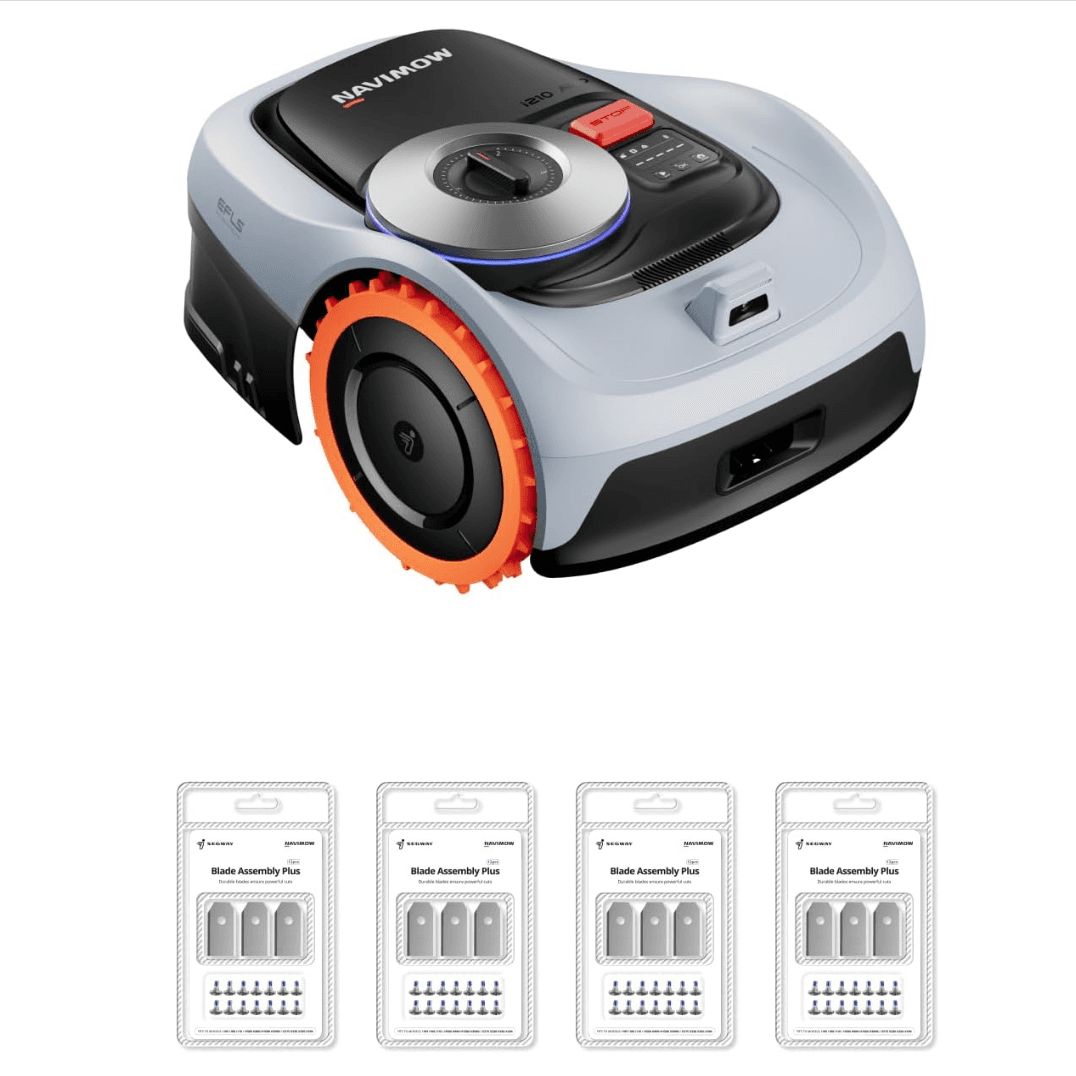
One of the most affordable AWD wire-free options for compact yards with moderate slopes.

Score67/100
$1,1990.25 acres45% slope
NETRTKAWD
Review
eufy Robot Lawn Mower E15

eufy

Robot Lawn Mower E15

The smaller eufy model keeps the same no-RTK setup story for compact flat lawns.

Score67/100
$9990.2 acres32% slope
VISIONRWD
Review
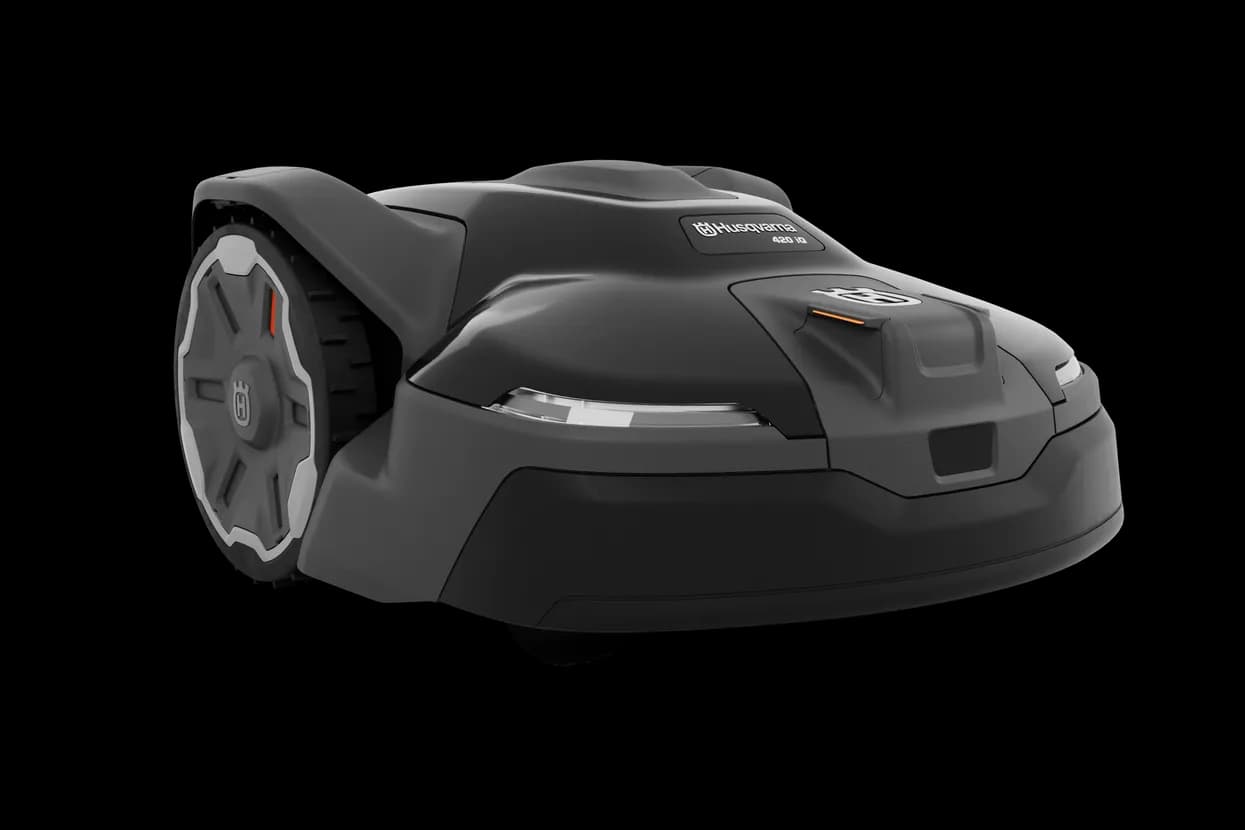
Husqvarna Automower 420 iQ

Husqvarna

Automower 420 iQ

Husqvarna finally brings wire-free EPOS navigation to a residential Automower with mature dealer support and a one-acre class rating.

Score67/100
$3,4991 acre45% slope
RTKRWD
Review
Segway Navimow i110N

Segway

Navimow i110N

Wire-free NetRTK plus vision covers up to a quarter acre with no boundary wire and no local antenna.

Score64/100
$9990.25 acres30% slope
NETRTKRWD
Review
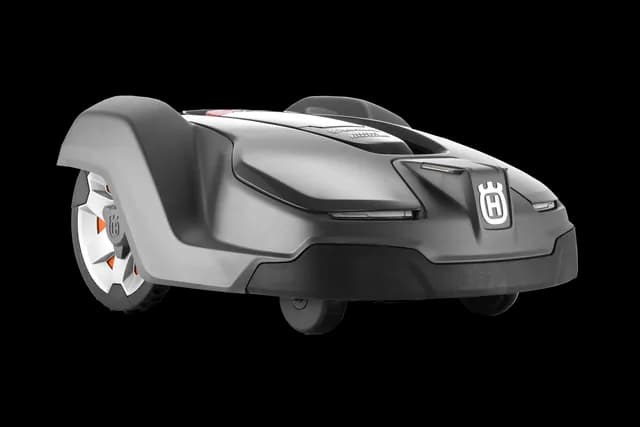
Husqvarna Automower 430X

Husqvarna

Automower 430X

The mature Automower platform remains a useful reliability comparison point for 0.8-acre wired installs.

Score62/100
$1,9990.8 acres45% slope
WIRERWD
Review
ECOVACS GOAT GX-600

ECOVACS

GOAT GX-600

SmartEdge vision boundary setup skips wire and RTK hardware, making the GX-600 one of the simplest current GOAT models for a small flat yard.

Score62/100
$9990.15 acres40% slope
VISIONRWD
Review
Segway Navimow i105N

Segway

Navimow i105N

The value entry into wire-free RTK-plus-vision mowing for a small, flat, open yard, and it is genuinely quiet.

Score59/100
$7990.13 acres30% slope
NETRTKRWD
Review
WORX Landroid M WR147

WORX

Landroid M WR147

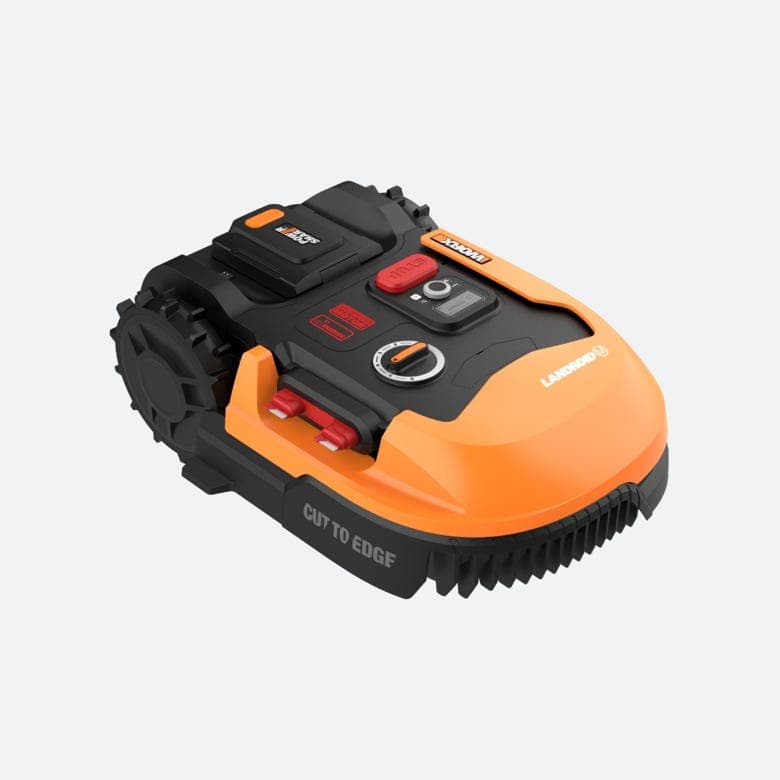
A low hardware price and proven boundary-wire platform still make sense for budget buyers.

Score58/100
$6990.25 acres30% slope
WIRERWD
Review

Ownership model

5-year cost calculator

Estimated 5-year picture

Robot mower cost
$2,200
Hours avoided
255 hrs
Value of time saved
$8,925
Net time value
+$6,725
Find a mower that fits

Buyer questions

FAQ

Do robot mowers need boundary wire in 2026?

Many current models do not, but boundary-wire mowers still exist and can be good budget choices for simple lawns.

What navigation is best under trees?

LiDAR, vision, or hybrid systems are usually safer choices than pure RTK or GPS-only navigation under heavy canopy.

Should I buy by acreage rating alone?

No. MowScout uses at least 15% area headroom and also checks slope, tree cover, zones, obstacles, and budget.

Which specs should I verify before buying?

Confirm current price, exact SKU, max area, daily coverage, slope rating, drive type, navigation system, included dock or antenna, warranty path, and return window.

What is the safest first step?

Measure mowable acreage, steepest normal route, tree cover, obstacles, zones, and budget, then run the configurator before clicking through to a retailer.