Guide
Robot Mower Not Charging: Dock, Contact, Battery, and Setup Checks
Robot mower not charging Check dock placement, contacts, extension cords, battery symptoms, and buying choices that reduce risk.
Find Matching ModelsBy MowScout EditorialUpdated 2026-07-01How we scoreHow we test
Quick answer: charging problems usually start with dock placement, dirty contacts, a loose power connection, or a battery that no longer holds enough reserve This is a buyer guide for buyers comparing reliability and support before buying. It is spec-verified and data-driven, not a hands-on repair manual. Use it to avoid predictable purchase mistakes, then confirm the exact mower, retailer SKU, warranty path, and current price before buying.
The main reason charging problems matters is simple: it changes ownership cost and first-month frustration. A robot mower can be a great automation tool, but it still has blades, batteries, contacts, docks, sensors, maps, and software. If you buy the wrong model for the yard, a cheap deal becomes expensive because you spend time fixing the same problem again and again. Use the robot lawn mower buyer guide, the yard-fit configurator, and the model reviews linked below as a sequence rather than a single-click answer.
Buyer checklist
Before you choose a mower, write down the mowable acreage, steepest normal route, tree-cover level, number of zones, dock location, outlet location, Wi-Fi or cellular signal, grass type, cut height, and budget. Then add the specific risk from this guide: charging problems. If that risk is likely in your yard, treat it as a hard filter instead of a nice-to-have. A mower that cannot survive the hard filter should not receive the affiliate click.
Model examples to keep the advice grounded
| Model | Score | Price | Area | Slope | Navigation | Useful check |
|---|---|---|---|---|---|---|
| eufy Robot Lawn Mower E15 | 67 | $999 | 0.20 acres | 32% | VISION | The smaller eufy model keeps the same no-RTK setup story for compact flat lawns. |
| Segway Navimow i110N | 64 | $999 | 0.25 acres | 30% | NETRTK | Wire-free NetRTK plus vision covers up to a quarter acre with no boundary wire and no local antenna. |
| ECOVACS GOAT A2000 LiDAR PRO | 76 | $1,699 | 0.50 acres | 45% | LIDAR | Dual-LiDAR navigation with a TruEdge edge trimmer brings near-zero-edge mowing to a half-acre at a mid-tier price. |
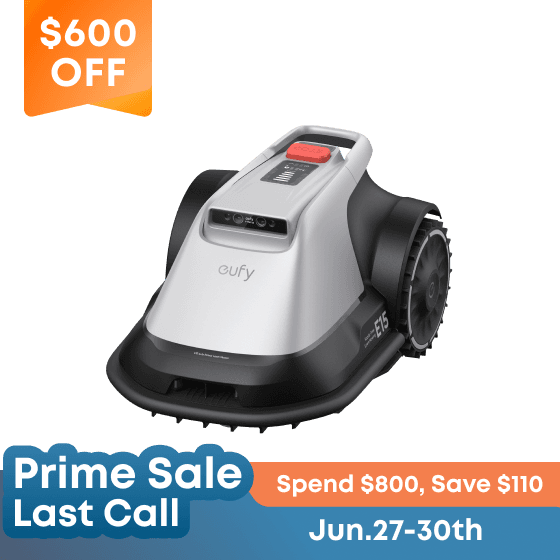
The first model example is eufy Robot Lawn Mower E15. It has a MowScout Score of 67, costs about $999, covers 0.20 acres, and uses VISION navigation. It is useful here because VISION navigation, strong edge behavior, a low current street price, and a 2-year warranty. The caution is the slope ceiling is modest, so it belongs on flat-to-gentle yards.
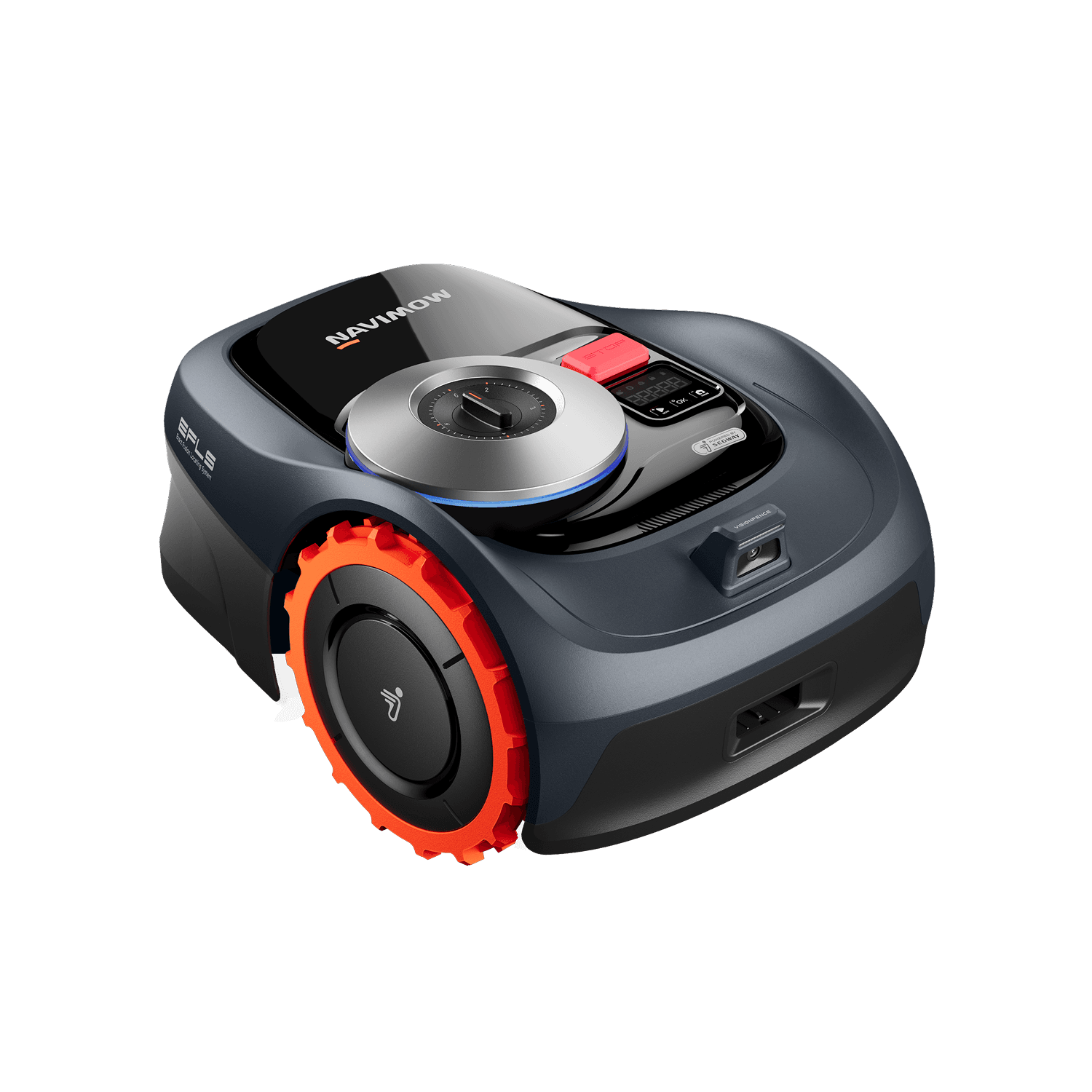
The second model example is Segway Navimow i110N. It has a MowScout Score of 64, costs about $999, covers 0.25 acres, and uses NETRTK navigation. Compare it when your yard needs wire-free mapping with more than one positioning layer.
Why this issue shows up after purchase
A charging failure can be an electrical issue, a contact issue, a dock approach issue, or a battery issue. The buying lesson is to choose a mower with a clear dock plan, accessible support, and a warranty path that makes sense for a high-ticket outdoor device.
Most first-month problems are not mysterious. The dock is too close to a slope, the mower has to turn across wet grass, the antenna sees too little sky, the side passage is narrower than expected, a root catches the deck, blades are dull, contacts are dirty, or the schedule asks the mower to recover from grass that grew too tall. The right product choice reduces these problems, but the right setup finishes the job.
Specs that reduce the risk
Look at navigation, drive system, slope rating, zone count, cut-height range, warranty, and support path. For charging problems, the strongest spec is rarely the only spec. A mower with great navigation can still fail on wet slopes. A mower with AWD can still struggle if it has poor dock placement or poor mapping. A mower with low price can be a good buy only when the yard is simple enough for it.
Use the MowScout Score as a starting point, not a substitute for yard facts. The score blends navigation, terrain, coverage, setup friction, cutting performance, value, and support. It keeps marketing claims from taking over the decision, but it cannot know your fence gate, tree canopy, dock outlet, or steepest turn until you enter them in the configurator.
What to check on the retailer page
Check the exact SKU, model name, included accessories, warranty, return window, blade availability, battery language, and whether the listing includes the antenna, base station, garage, extension cable, SIM plan, or mounting hardware you need. If a listing is cheaper than expected, confirm it is not the smaller capacity tier. If a listing uses a bundled image, match the specs back to the MowScout review before buying.
When to spend more
Spend more when the extra dollars solve a hard constraint: more slope headroom, better under-tree navigation, more acreage, more zones, better edge behavior, stronger support, or a simpler setup path. Do not spend more for unused capacity on a flat, small, simple yard. The smartest purchase is not the highest score in a vacuum; it is the lowest-risk fit for your lawn and your tolerance for setup work.
When to spend less
Spend less when the yard is genuinely simple. A flat quarter acre with open sky and few obstacles does not need a large estate mower. A small fenced yard may be better served by a compact vision or LiDAR mower than by an acreage flagship. Keep the savings for blades, a dock cover, or a better first-month setup. The best mowers under $1,000 and best mowers under $1,500 pages are good starting points when the physical constraints are modest.
Final decision rule
If this guide describes a risk your yard actually has, make that risk a hard filter. If it is only a small concern, let the configurator balance it against price, acreage, slope, navigation, and support. Do not buy because a retailer page looks urgent. Buy when the mower, the yard, the setup plan, and the five-year cost all point in the same direction.
First-month setup plan
The first month matters more than the first hour. Start with conservative boundaries, one or two zones, and short daytime runs while you can observe the mower. Mark repeated stuck points instead of ignoring them. Move no-go zones a few inches at a time, clean the deck, check the blades, and verify the dock approach before expanding the schedule. If the mower has to cross a gate, side passage, driveway, or shaded corner, test that segment on its own before trusting the full map. This is the difference between a robot mower that feels automatic and one that becomes another maintenance task.
For robot mower not charging: dock, contact, battery, and setup checks, the best setup plan is boring. Keep grass within the mower's normal cut range, avoid asking the mower to recover from neglected growth, and schedule around heavy rain. If the yard has tree cover, watch how the mower behaves when it enters and exits shade. If the yard has slopes, watch wet turns and transitions. If the yard has narrow areas, watch the first three passes and adjust before the tires mark the turf.
How MowScout treats affiliate revenue
This page is built to earn through affiliate links only after the recommendation is defensible. A high commission does not move a mower onto a page if the mower fails the use case. Commission can only matter after the mower is a real fit and the comparison is close. That protects the site and the buyer because robot mowers are high-ticket tools; a poor fit creates repeated friction and refunds. The product data shown here includes MowScout Score, street price, area rating, slope rating, navigation, drive, zone count, warranty, affiliate program, sources, and last-verified dates so the reasoning can be checked.
When two models look close, use fit first, price second, and commission last. Fit means the mower covers the mowable area with headroom, survives the steepest normal route, has navigation that suits the sky view, supports the zones, and can be serviced through a credible retailer or brand channel. Price matters after those checks. Commission never fixes a bad yard match.
Related pages to open next
After this page, open the robot lawn mower buyer guide, run the yard-fit configurator, browse all mower reviews, and compare a related guide such as RTK vs LiDAR vs vision. Those four pages keep the purchase sequence grounded. The pillar explains the category, the configurator applies your yard facts, the reviews expose model-level specs, and the navigation guide prevents setup surprises.
Use the related mower reviews as a final SKU check. For example, eufy Robot Lawn Mower E15, Segway Navimow i110N, ECOVACS GOAT A2000 LiDAR PRO each solve a different slice of the market. The right choice should be obvious only after you can explain why the mower fits the lawn, not just why the product page looks convincing.
Purchase confidence test
Before clicking out, say the purchase case in one sentence: this mower fits because it covers the lawn with headroom, handles the slope, suits the tree cover, supports the zones, cuts at the right height, has a workable dock location, and lands inside the five-year budget. If that sentence breaks, keep researching. A robot mower is too expensive to buy on a single spec, and a return is harder after the mower has been mapped, used, and marked by grass.
Also verify current price and availability on the retailer page. The prices in MowScout are useful comparison anchors, but retailers discount robot mowers often. Check whether the listing is new, refurbished, bundled, or missing accessories. Confirm the return window is long enough to test the mower on real grass. If the brand requires account setup, app control, firmware updates, or a subscription, include that in the ownership decision.
Recommended next step
Use this guide to understand the buying issue, then run the configurator with your exact acreage, slope, tree cover, zones, terrain, obstacles, and budget. The best recommendation should survive both the guide logic and the yard-fit filters. If a brand claim or retailer listing conflicts with the guidance here, trust the measured yard constraints first and recheck the exact model page before buying. Document the final assumptions.
Buyer questions
FAQ
What is the most important thing to know about charging problems
charging problems usually start with dock placement, dirty contacts, a loose power connection, or a battery that no longer holds enough reserve
Does this guide replace a model review
No. Use the guide to understand the issue, then read the model review for exact specs, score, price, and sources.
Which model should I compare first
eufy Robot Lawn Mower E15 is a useful starting example, but the right mower depends on your yard and budget.
Are these repair instructions
No. This is buyer guidance and basic ownership context. Follow the manufacturer's manual and warranty process for repairs.
Should I pay more to avoid this issue
Pay more only when the added feature solves a hard yard constraint or likely ownership problem.
What should I verify before buying
Confirm the exact SKU, included accessories, warranty, return window, current price, and whether the setup requirements match your yard.