Segway
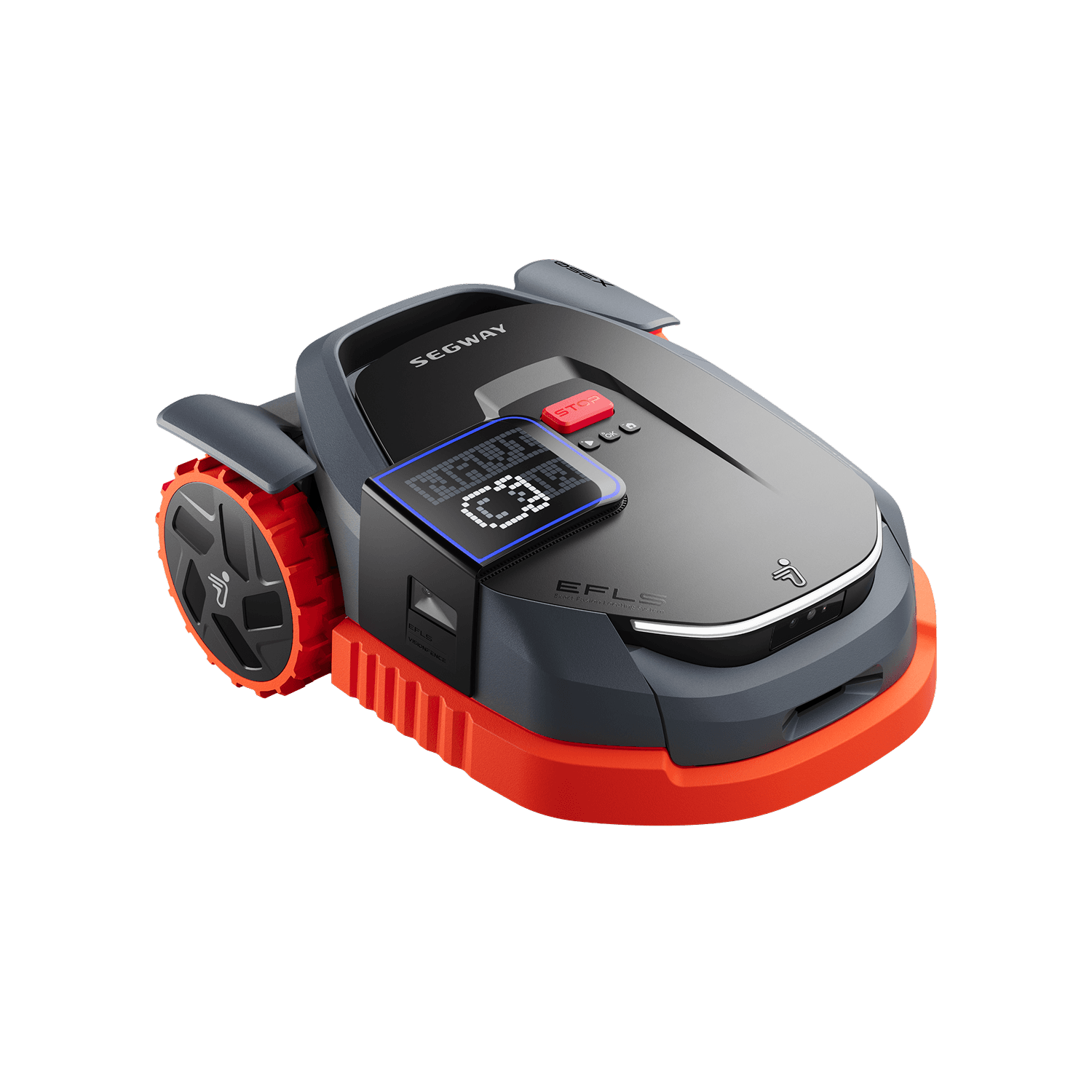
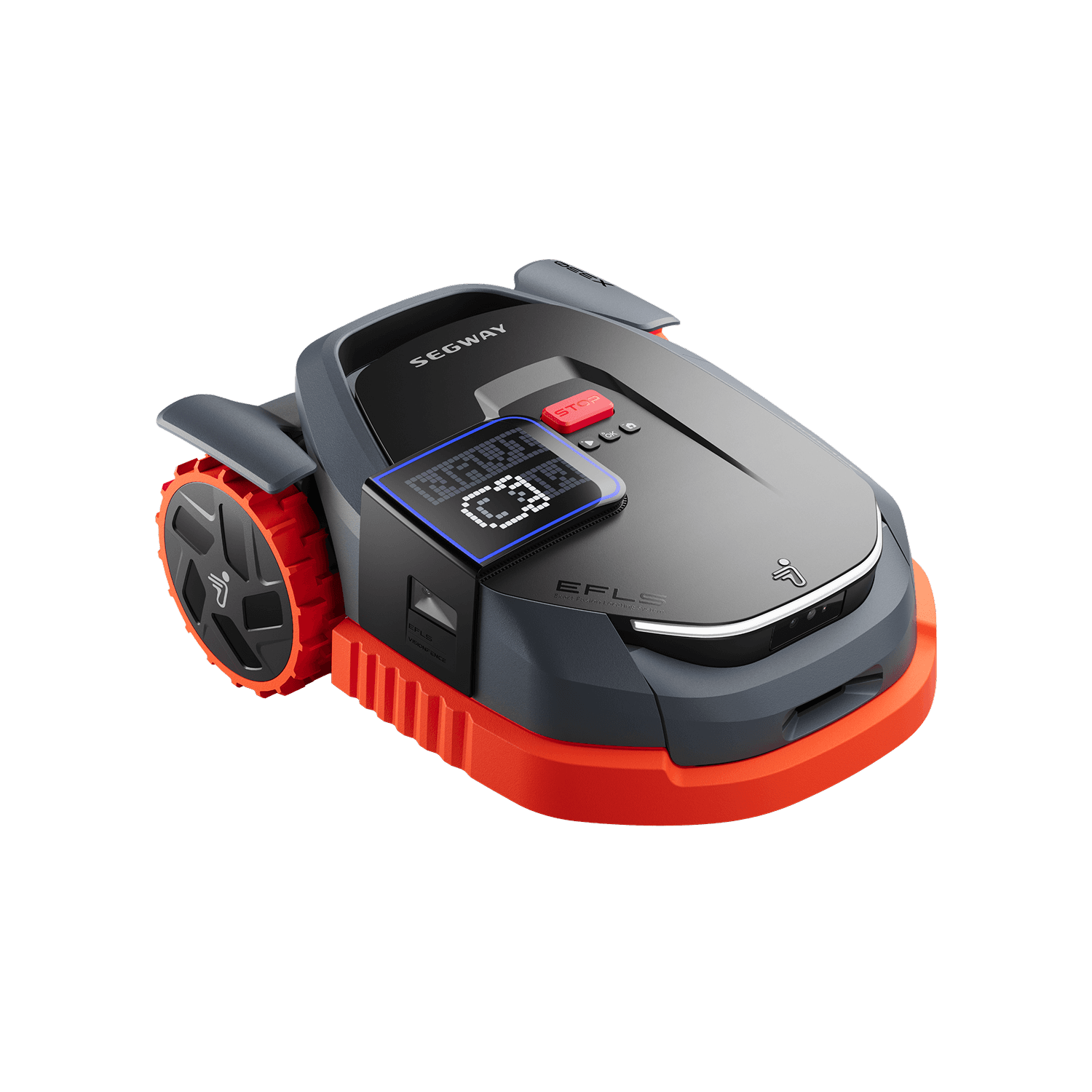
Navimow X350
Covers up to 1.5 acres quickly and quietly (~60 dB) with AWD traction and night-capable vision.
Score85/100
$2,7991.5 acres50% slope
HYBRIDAWD
ReviewBrand hub
Every Segway Navimow robot mower compared for 2026: i105N, i110N, i210 AWD, X330 and X350 ranked by MowScout Score, with specs, prices and honest trade-offs.
Check Yard FitBy MowScout EditorialUpdated 2026-07-01How we scoreHow we test
Segway's Navimow line is the mainstream, wire-free, vision-assisted RTK answer for open lawns - and in 2026 it spans five models from an $799 small-yard starter to a 1.5-acre flagship. The lineup runs i105N (MowScout Score 59), i110N (64), i210 AWD (67), X330 (81) and X350 (85). If your property is open, mostly flat-to-moderate, and has a reasonable view of the sky, Navimow is one of the easiest wire-free platforms to live with. If it is buried under a dense tree canopy, this is the wrong brand - and we will say exactly why below.
This page is spec-verified and data-driven, not hands-on. Every number here - capacity, slope, drive, navigation type, price - comes from published manufacturer specifications and verified US pricing, cross-checked against retailer listings and captured in the MowScout Score. We have not run these units across a test lawn, and there are no fabricated timing runs, photos, or field tests on this page. Prices are street estimates as of mid-2026; confirm the current price before you buy, because this category discounts weekly. For the navigation explainer that underpins everything below, start with the pillar, Robot lawn mowers: RTK vs LiDAR vs vision, or skip straight to the 60-second configurator.
Navimow's whole design philosophy is wire-free RTK positioning assisted by AI vision. Instead of burying a perimeter wire around your lawn, you walk the boundary once in the app and the mower holds its position using satellite-grade RTK corrections, with cameras (Segway's VisionFence) watching for obstacles and helping it stay inside the lines. That approach is efficient, quiet, and fast on open lawns - the long, mostly unobstructed passes that satellite positioning is good at.
The same design is also Navimow's biggest limitation: it depends on a view of the sky. RTK and GNSS positioning need satellites, and dense tree canopy, tall walls, or deep eaves block that signal. Under heavy shade the fix degrades and the mower slows, drifts, or pauses. So the honest one-line summary is: buy a Navimow for an open lawn, not a wooded one. If your lot is heavily shaded, a LiDAR machine is the right tool
For everyone with an open lawn, the decision comes down to size and slope, which is exactly how the five-model lineup is organized.
Understanding one concept - NetRTK vs. antenna RTK vs. hybrid vision fusion - explains the entire product ladder and the price jumps between models.
NetRTK (the i-series entry models). The i105N and i110N use Segway's NetRTK, which delivers the RTK correction data over the cellular network. The practical payoff is real: there is no boundary wire and no tall reference antenna to install - just the charging base. That is the simplest setup story Navimow offers, and it is why these two sit at the bottom of the price ladder. The trade-off is that NetRTK depends on both a good cellular correction signal and a clear sky, so these are strictly small, flat, open-lawn mowers.
Antenna RTK plus AI vision (the i210 AWD). The i210 AWD adds a local receiver antenna that wants a clear-sky mounting position, paired with VisionFence AI vision for obstacle avoidance. You take on a small amount of setup in exchange for a more robust fix and - the headline reason to buy it - genuine all-wheel drive rated to a 45% slope.
Hybrid vision-fused positioning (the X-series). The X330 and X350 run Segway's hybrid navigation, fusing RTK/GNSS with vision so the mower cross-checks satellite position against what its cameras see. That fusion is what lets the X-series cover large open acres quickly and quietly, and mow at night, while still holding a straight line over long passes. It remains sky-dependent - fusion is not the same as LiDAR - but it is the most capable positioning Navimow ships.
Across all five, the shared DNA is consistent: AI-vision obstacle avoidance, GPS tracking with an anti-theft alarm, a well-rated companion app, wifi and Bluetooth (with 4G on every model except the entry i105N), and a 2-year warranty. What changes as you climb the ladder is area, slope, drivetrain, and how robust the positioning gets.
The Navimow catalog cleanly splits into two families, and picking the right family first saves you from overbuying or underbuying.
The i-series is the value, small-yard line. The i105N, i110N and i210 AWD are compact machines built for lawns from 0.13 to 0.25 acre. They use a narrow cutting deck (7.1-8 inches), map a handful of zones (3 to 12), and top out at moderate slopes (30% for the two RWD models, 45% for the AWD i210). This is the family for a typical suburban front-and-back lawn where the priority is skipping the boundary wire without spending flagship money. Two of the three (i105N, i110N) even skip the antenna thanks to NetRTK.
The X-series is the large-lot, open-property line. The X330 and X350 are bigger, faster machines rated to 1.0 and 1.5 acres respectively, with wider decks (9.3 and 12 inches), AWD traction, a higher 50% slope rating, and the hybrid vision-fused positioning that keeps them accurate over long distances. They cost about three times as much as the i-series entry models, and they earn our two highest Navimow Scores (81 and 85) because they pair real capacity with real navigation redundancy.
The dividing line is roughly a quarter acre: at or below it, shop the i-series; approaching an acre or more of open lawn, shop the X-series. There is no Navimow that splits the difference at, say, half an acre - which is a genuine gap in the lineup worth knowing before you shop.
Every figure below is a manufacturer rating verified against a retail listing, paired with the MowScout Score. Prices are street estimates as of mid-2026 - verify before buying.
| Model | Score | Price* | Max area | Slope | Drive | Best for |
|---|---|---|---|---|---|---|
| i105N | 59 | ~$799 | 0.13 ac | 30% | RWD | Smallest flat, open lawns on a budget |
| i110N | 64 | ~$999 | 0.25 ac | 30% | RWD | Quarter-acre flat lawns, no antenna |
| i210 AWD | 67 | ~$1,199 | 0.25 ac | 45% | AWD | Compact yards with moderate slopes |
| X330 | 81 | ~$2,799 | 1.0 ac | 50% | AWD | Open ~1-acre lawns |
| X350 | 85 | ~$2,799 | 1.5 ac | 50% | AWD | Largest open lawns, up to 1.5 acres |
\*Street estimates as of mid-2026 - verify before purchase. All five use NetRTK or hybrid vision-fused navigation, wire-free, with AI-vision obstacle avoidance, GPS anti-theft, and a 2-year warranty. If your lot is heavily wooded, none of these is the right pick - filter for LiDAR in the configurator instead.
If your lawn is small, flat, and open, the two NetRTK models are the easiest, cheapest way into wire-free mowing - no boundary wire, no antenna, and genuinely quiet (~58 dB) operation.
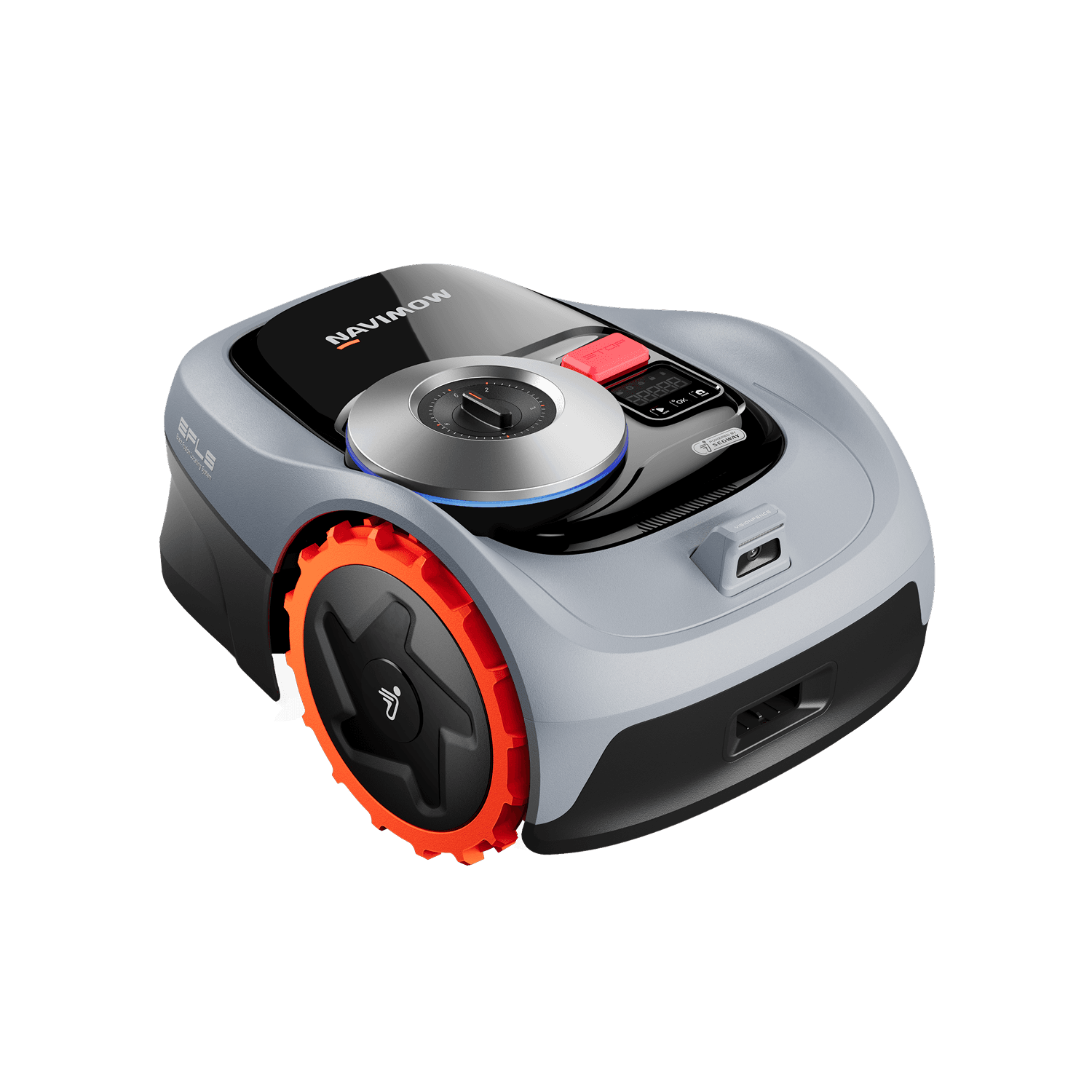
The Navimow i105N (Score 59, ~$799) is the value entry point to the entire category. For around $799 it brings RTK-plus-VisionFence navigation, app control, and anti-theft GPS to a small yard - and it is one of the few in this class also sold at Lowe's, which makes returns painless. The honest limits are its 0.13-acre capacity (about one-eighth of an acre), a 30% slope ceiling, RWD, and a narrow 7.1-inch deck with a 3-zone map. It is a genuine small-lawn tool, not a do-everything mower. Buy it only if your yard is truly small, flat, and open. Read the full i105N review.
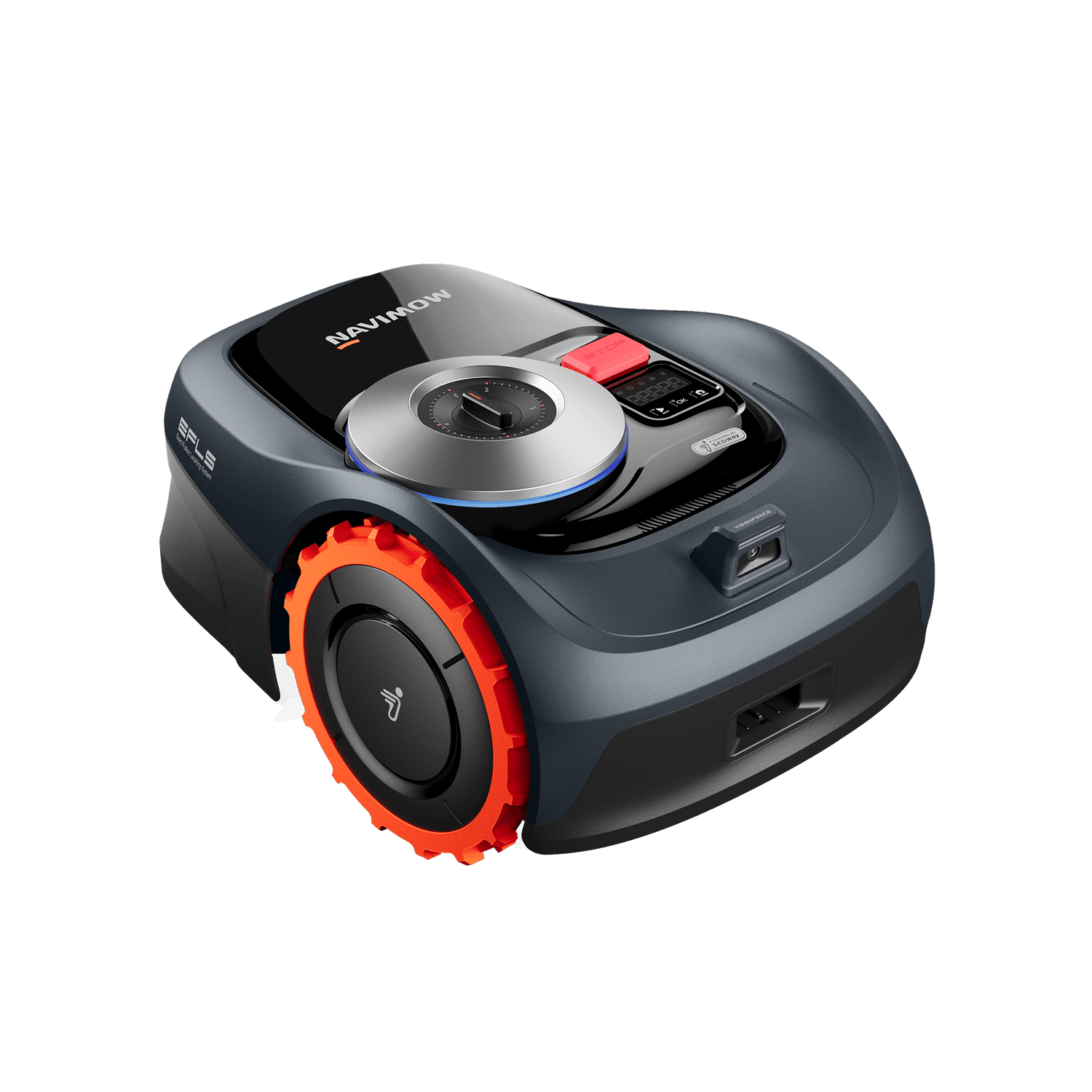
The Navimow i110N (Score 64, ~$999) is the more sensible starting point for most small yards. It keeps the wire-free, antenna-free NetRTK setup and quiet operation, but doubles the capacity to a full 0.25 acre, maps 5 zones, and adds 4G connectivity the i105N lacks - all for around $999 street (down from a $1,299 list). It shares the i105N's constraints that matter most: still RWD with a 30% slope limit, so it is a flatter-yard machine. For a quarter-acre, mostly level, open lawn where you want to skip both the wire and the antenna, it is the value sweet spot of the i-series. Read the full i110N review.
The one-line rule between them: choose the i105N only for the smallest lots (under ~0.15 acre) on the tightest budget; choose the i110N for a real quarter acre. Neither handles meaningful slopes - if your small yard has hills, keep reading.
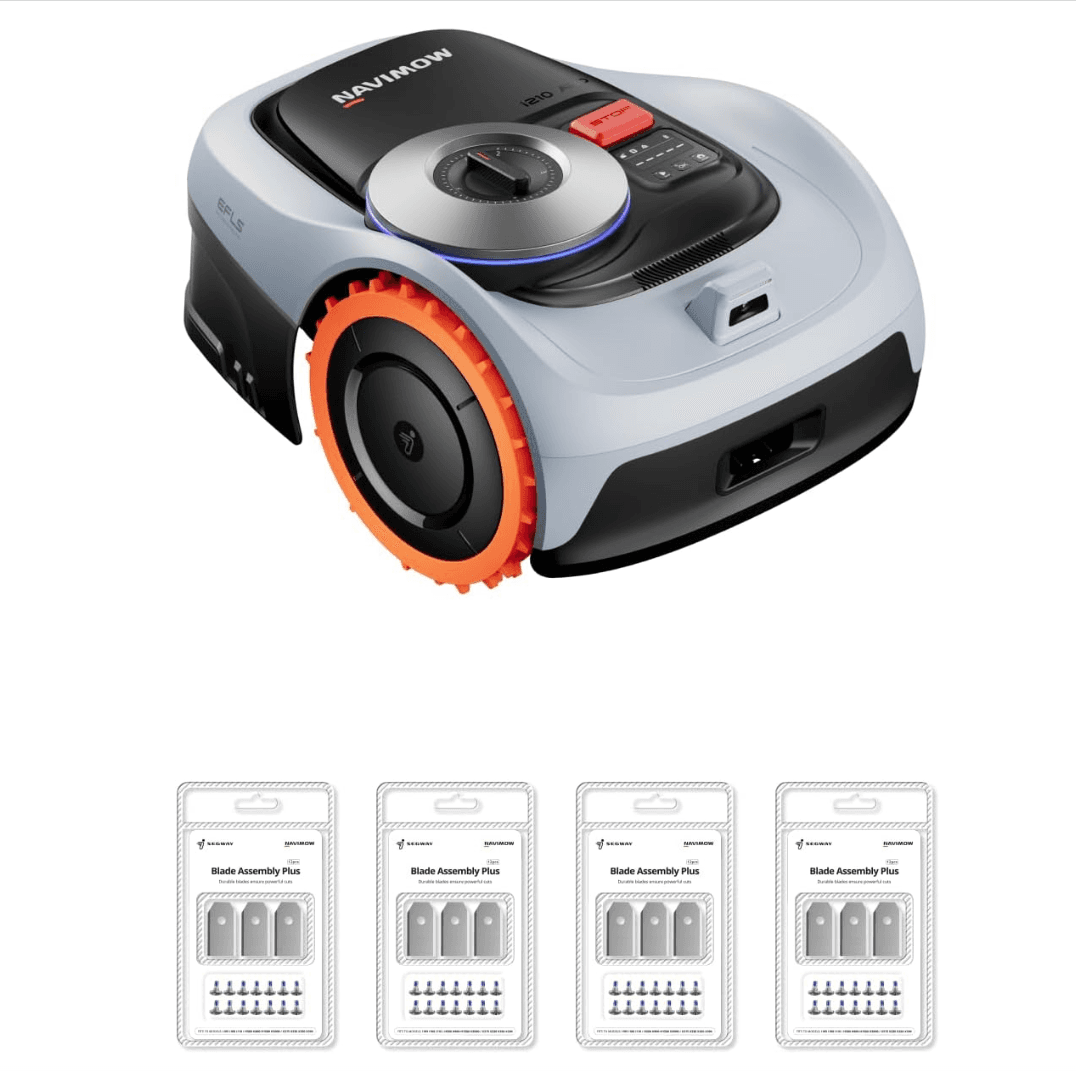
The Navimow i210 AWD (Score 67, ~$1,199) solves the one problem the i-series entry models can't: slopes. It is one of the most affordable ways to get genuine all-wheel drive on a compact yard, climbing a 45% grade where the i105N and i110N stop at 30%. It keeps the quarter-acre capacity and NetRTK-plus-vision navigation, adds a slightly wider 8-inch deck and up to 12 mapped zones, and runs at a quiet ~58 dB. The trade-offs are honest: it adds a receiver antenna that wants a clear-sky position (so setup is a touch more involved than the i110N's), it is still a 0.25-acre machine, and its edges are good-not-great. For a small, sloped, reasonably open yard, it is the best-balanced i-series model and our highest-scoring compact Navimow. Read the full i210 AWD review.
If your yard is compact but the slopes are steeper than 45%, or it is heavily shaded, the i210 is at its limits - a fusion or LiDAR mower from another brand would serve you better, and the configurator will surface those alternatives.
For a large, open property, the X-series is where Navimow gets genuinely capable - AWD traction, a 50% slope rating, quiet night-capable mowing, and the hybrid vision-fused positioning that stays accurate over long passes. Both sit around $2,799 street, so the choice between them is purely about area.
The Navimow X330 (Score 81, ~$2,799) is the open-sky one-acre pick. It is rated to 1.0 acre with matching daily coverage, mows fast and quiet (~60 dB), climbs to 50% on AWD, and mows at night thanks to vision. It is a clean, efficient fit for a full acre of open lawn. The caveats are the ones that define the whole X-series: its 1.0-acre rating leaves no headroom for a true one-acre yard (you'd be running it at its ceiling), the 50% slope limit rules out steep banks, and it is sky-dependent
view, it is a strong value. Read the full X330 review.
The Navimow X350 (Score 85, ~$2,799) is Navimow's flagship and the maximum-capacity model in the whole lineup - rated to 1.5 acres, the largest single-mower rating we track. It uses a wider 12-inch deck than the X330, keeps the AWD, 50% slope rating, quiet ~60 dB operation and night-capable vision, and often sells for the same ~$2,799 as the X330 despite a $3,499 list price, which makes it a lot of capacity for the money on sale. Two honest caveats: its daily coverage is about 1.0 acre, below its 1.5-acre max, so a full 1.5-acre lawn runs on a longer-than-daily cycle and can lag a fast spring; and like the rest of the X-series it needs a clear-sky antenna position and is an open-lawn machine, not a wooded one. Read the full X350 review.
The rule between them: X330 for a real open acre; X350 only if your open lawn is genuinely larger than an acre. Paying up for the X350 on a one-acre lot buys headroom you may not need - though when both cost the same on sale, the X350's extra capacity is the safer buy. For the full field of large-lot options across every brand, see our best robot mowers for large yards.
This is the single most important thing to understand before buying any Navimow, and it is the reason the brand scores well on open lawns and poorly on shaded ones. Navimow positioning is built on RTK/GNSS satellite data plus vision - it is not LiDAR. That has real consequences:
and the mower can slow, wander off its lines, or pause and wait for signal. No amount of AI vision fully compensates, because vision assists positioning rather than replacing the satellite fix.
placed where it can see open sky. A yard ringed by tall trees or buildings can make that placement hard.
signal for NetRTK, so weak coverage compounds the sky problem.
What this means in practice: Navimow is excellent for open lawns and a poor match for wooded lots. If your property is shaded, the right technology is LiDAR - it builds its own 3D map and needs no sky - and you should be shopping our under-trees guide instead of this brand. If you are not sure how much canopy is "too much," the RTK vs LiDAR vs vision guide walks through the trade-off in detail. We flag this plainly because it is the number-one Navimow buyer's regret, and it is entirely avoidable by matching the sensor to your sky before you buy.
Segway is a large, established consumer-hardware brand, and the Navimow support footprint reflects that - mainstream rather than specialist.
(matching most competitors) but shorter than the 3-year coverage on some rivals like the WORX Landroid or Husqvarna Automower lines.
The entry i105N is also carried at Lowe's, which is genuinely useful for a first robot-mower buyer who wants easy in-store returns and exchanges.
so a stolen mower can be located and rendered useless - meaningful peace of mind on a device that lives outdoors.
line) for scheduling, no-go zones, multi-zone management, and over-the-air firmware updates. Since Navimow's navigation is software-driven, those firmware updates matter - the mower you buy should improve over time.
consumable) and, eventually, a battery. The bigger hidden cost is buying the wrong size: an undersized model runs at its ceiling and wears faster, while an oversized flagship on a small lawn is money spent on capacity you never use. Sizing correctly is the single biggest lever on lifetime value.
Match the model to the two variables that actually decide it - your lawn size and your slope - assuming an open lot with a reasonable view of the sky:
~$799.
value sweet spot of the i-series.
~$1,199 - the only sub-flagship Navimow with all-wheel drive.
Your yard is more specific than any six-line list, though - daily coverage, zones, tree cover and budget all interact. The fastest way to the right answer is to let the tool do the matching:
Find your robot mower -> answer a few questions about your yard and get your top matches
The configurator screens your exact area, slope, tree cover and budget against every model we track - not just Navimow - so you don't overbuy an X350 for a quarter acre, under-buy an i105N for half an acre, or buy a sky-dependent Navimow for a wooded lot. If it turns out your yard is shaded or steep beyond Navimow's comfort zone, it will point you to the LiDAR or fusion machine that fits.
How many Segway Navimow robot mowers are there, and how do they differ? We track five current Segway Navimow models: the i105N (MowScout Score 59, ~$799), i110N (64, ~$999), i210 AWD (67, ~$1,199), X330 (81, ~$2,799) and X350 (85, ~$2,799). The split is simple: the i-series is the value line for small, flat, open lawns (0.13-0.25 acre, 30-45% slope), and the X-series is the large-lot line for open properties up to 1.0-1.5 acres. Prices are street estimates as of mid-2026 - verify before buying.
Do Segway Navimow mowers need a boundary wire? No. Every Navimow we track is wire-free. The i105N and i110N use Segway's NetRTK, which pulls RTK corrections over the cellular network so there is no buried wire and no tall reference antenna to plant - just the charging base. The i210 AWD, X330 and X350 add a receiver antenna that needs a clear-sky position, but still no boundary wire. You define the mowing area by walking the perimeter once in the app.
Which Navimow is best for a yard with lots of trees? Honestly, none of them is the ideal tree-cover pick. Navimow's positioning is satellite- and vision-based, so it depends on a reasonably clear view of the sky. Under a dense canopy the RTK/GNSS fix degrades and the mower can slow, wander, or pause. For a heavily shaded lot, a LiDAR mower (which builds its own 3D map and does not need the sky) is the better tool. See our RTK vs LiDAR vs vision guide for the full breakdown.
What is the difference between the Navimow X330 and X350? They are the same navigation and drivetrain - vision-fused hybrid positioning, AWD, a 50% slope rating and quiet operation - but the X350 is the bigger machine. The X330 is rated to 1.0 acre with a 9.3-inch cutting width; the X350 stretches to 1.5 acres with a wider 12-inch deck. Both hover around $2,799 street. Buy the X330 for a true open acre and the X350 only if your open lawn is genuinely larger than an acre.
Is the cheapest Navimow, the i105N, worth buying? For the right yard, yes - but that yard is small. The i105N is rated to just 0.13 acre (about one-eighth of an acre) with a 30% slope ceiling and RWD. If your lawn is a small, flat, open patch and you want the lowest-cost entry into wire-free RTK mowing, it is a genuine value at around $799. If your yard is bigger than roughly 0.15 acre, step up to the i110N (0.25 acre) so you are not running the mower at its ceiling every session.
What warranty and support does Segway Navimow offer? Every Navimow model we track carries a 2-year warranty. Support runs through the Navimow brand channel and, for most models, Amazon; the i105N is also carried at Lowe's, which makes returns and exchanges easier. All five have GPS tracking and anti-theft alarms built in, plus a well-rated companion app for scheduling, no-go zones and firmware updates. It is a solid, mainstream support footprint rather than a specialist dealer network.
Are these ratings based on hands-on testing? No. Every figure on this page is spec-verified, not hands-on. We base the MowScout Score and every claim on published manufacturer specifications and verified US pricing, cross-checked against retailer listings. We have not run these mowers across a test yard, and there are no fabricated field tests, timings or photos here. Prices are street estimates as of mid-2026 - always confirm the current price before buying.
Navimow is a strong brand for one specific situation: an open lawn with a clear view of the sky. Within that niche, the right model comes down to your exact area and slope - and if your lot falls outside that niche (shaded, steep, or an in-between size the lineup skips), the better answer is a different brand entirely.
Find your robot mower -> answer a few questions about your yard and get your top matches
The configurator screens your yard against every model we track, so you get the honest recommendation whether that is a Navimow or not. Keep reading: the pillar on how robot mower navigation works, the deep dive on RTK vs LiDAR vs vision, and the full best robot lawn mowers of 2026 roundup. If your property is big, see best robot mowers for large yards; if it is compact, see best robot mowers for small yards.
MowScout is reader-supported and may earn a commission from links on this page. Our picks are spec-verified and data-driven - based on published manufacturer specifications and verified US pricing, not hands-on lab testing. We have not physically tested these mowers; there are no fabricated measurements, timings, or photos on this page. Prices are street estimates as of mid-2026; always confirm the current price before buying. See our full disclosure.
Segway
Covers up to 1.5 acres quickly and quietly (~60 dB) with AWD traction and night-capable vision.
Segway Navimow
One of the most affordable AWD wire-free options for compact yards with moderate slopes.
Segway Navimow
A large-lot Navimow option with AWD traction and a familiar app ecosystem for open-sky yards.
Brand reputation matters only after the mower fits the lawn. Check the exact acreage, slope rating, navigation system, zone support, warranty, current price, and retailer SKU before using any deal box.
Buyer questions
We track five current Segway Navimow models: the i105N (MowScout Score 59, ~$799), i110N (64, ~$999), i210 AWD (67, ~$1,199), X330 (81, ~$2,799) and X350 (85, ~$2,799). The split is simple: the i-series is the value line for small, flat, open lawns (0.13-0.25 acre, 30-45% slope), and the X-series is the large-lot line for open properties up to 1.0-1.5 acres. Prices are street estimates as of mid-2026 - verify before buying.
No. Every Navimow we track is wire-free. The i105N and i110N use Segway's NetRTK, which pulls RTK corrections over the cellular network so there is no buried wire and no tall reference antenna to plant - just the charging base. The i210 AWD, X330 and X350 add a receiver antenna that needs a clear-sky position, but still no boundary wire. You define the mowing area by walking the perimeter once in the app.
Honestly, none of them is the ideal tree-cover pick. Navimow's positioning is satellite- and vision-based, so it depends on a reasonably clear view of the sky. Under a dense canopy the RTK/GNSS fix degrades and the mower can slow, wander, or pause. For a heavily shaded lot, a LiDAR mower (which builds its own 3D map and does not need the sky) is the better tool. See our RTK vs LiDAR vs vision guide for the full breakdown.
They are the same navigation and drivetrain - vision-fused hybrid positioning, AWD, a 50% slope rating and quiet operation - but the X350 is the bigger machine. The X330 is rated to 1.0 acre with a 9.3-inch cutting width; the X350 stretches to 1.5 acres with a wider 12-inch deck. Both hover around $2,799 street. Buy the X330 for a true open acre and the X350 only if your open lawn is genuinely larger than an acre.
For the right yard, yes - but that yard is small. The i105N is rated to just 0.13 acre (about one-eighth of an acre) with a 30% slope ceiling and RWD. If your lawn is a small, flat, open patch and you want the lowest-cost entry into wire-free RTK mowing, it is a genuine value at around $799. If your yard is bigger than roughly 0.15 acre, step up to the i110N (0.25 acre) so you are not running the mower at its ceiling every session.
Every Navimow model we track carries a 2-year warranty. Support runs through the Navimow brand channel and, for most models, Amazon; the i105N is also carried at Lowe's, which makes returns and exchanges easier. All five have GPS tracking and anti-theft alarms built in, plus a well-rated companion app for scheduling, no-go zones and firmware updates. It is a solid, mainstream support footprint rather than a specialist dealer network.
No. Every figure on this page is spec-verified, not hands-on. We base the MowScout Score and every claim on published manufacturer specifications and verified US pricing, cross-checked against retailer listings. We have not run these mowers across a test yard, and there are no fabricated field tests, timings or photos here. Prices are street estimates as of mid-2026 - always confirm the current price before buying.